


Organic wool carpet is gaining attention in modern interior design because more homeowners, architects, and commercial buyers are looking for flooring materials that combine sustainability, comfort, and indoor health benefits. Unlike conventional synthetic carpets, organic wool carpet is made from natural wool fibers produced with environmentally responsible practices and minimal chemical processing.
As consumers become more aware of indoor air quality and eco-friendly building materials, organic wool carpet has emerged as a premium flooring solution for homes, hotels, offices, and wellness-focused spaces. Its natural texture, renewable origin, and long-term durability make it an attractive option for projects that value both aesthetics and environmental responsibility.
What Is Organic Wool Carpet?
Organic wool carpet is manufactured using wool sourced from sheep raised under controlled agricultural standards that limit the use of harmful chemicals, pesticides, and synthetic treatments. The production process also emphasizes environmentally conscious dyeing, processing, and finishing methods.
Unlike many conventional carpets made from petroleum-based fibers, organic wool carpets use biodegradable natural materials. They are often produced with low-VOC processing methods, helping reduce chemical emissions inside indoor environments.
This type of carpet appeals to consumers who prioritize healthier living spaces and sustainable construction materials without sacrificing visual quality or comfort.
The Growing Demand for Natural Flooring Materials
The flooring industry has seen increasing demand for environmentally friendly products in recent years. Organic wool carpet fits this trend because it addresses several concerns associated with synthetic flooring.
Many traditional carpets release volatile organic compounds (VOCs) that may affect indoor air quality. Organic wool carpet, by contrast, is often produced with fewer chemical additives, making it more suitable for bedrooms, living areas, childcare environments, and wellness spaces.
In addition, sustainability certifications and green building standards are encouraging the use of renewable and biodegradable materials. Organic wool carpet aligns well with these goals because wool is naturally renewable and recyclable.
Key Benefits of Organic Wool Carpet
Organic wool carpet offers more than environmental advantages. It also delivers practical performance benefits that support long-term use and indoor comfort.
● Naturally soft texture that creates a warm and comfortable walking surface
● Renewable and biodegradable material suitable for sustainable projects
● Reduced chemical exposure compared to many synthetic carpet products
● Excellent insulation properties for both heat and sound control
● Natural elasticity that helps maintain carpet appearance over time
● Moisture-regulating capability that contributes to indoor comfort
● Timeless appearance suitable for luxury and minimalist interior styles
Because wool fibers naturally contain crimped structures, they can recover after compression, helping the carpet maintain its shape even in frequently used areas.
Organic Wool Carpet and Indoor Air Quality
Indoor air quality has become a major consideration in residential and commercial design. Flooring materials cover large surface areas, meaning they can significantly affect indoor environments.
Organic wool carpet is valued because it generally emits fewer synthetic chemicals than many petroleum-based carpets. Some organic wool products are manufactured without harsh flame retardants, formaldehyde-based adhesives, or strong chemical finishes.
Wool fibers can also help regulate humidity by absorbing and releasing moisture from the air. This natural property may contribute to a more balanced indoor atmosphere.
For families with children or individuals seeking cleaner indoor environments, organic wool carpet is often viewed as a healthier flooring alternative.
Aesthetic Appeal in Modern Interior Design
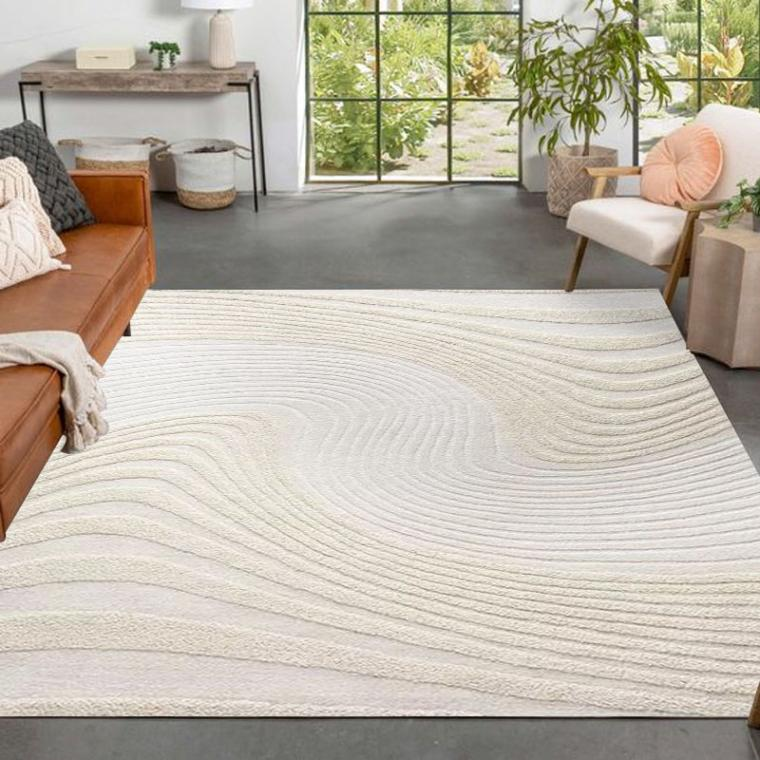
Organic wool carpet is widely appreciated for its natural visual texture and sophisticated appearance. Unlike some synthetic carpets that may appear overly uniform, wool fibers create subtle variations that add depth and character to interior spaces.
Designers frequently use organic wool carpet in spaces that aim to create calm, welcoming environments. Neutral tones such as beige, ivory, sand, and soft gray are especially popular because they complement wood flooring, natural stone, and minimalist décor styles.
Organic wool carpet is also available in woven, tufted, and textured constructions, giving designers flexibility for different architectural applications.
Its ability to create a refined yet comfortable atmosphere makes it especially suitable for boutique hotels, luxury residences, executive offices, and wellness-focused commercial spaces.
Durability and Long-Term Value
Although organic wool carpet is often associated with luxury, it is also highly practical. Wool fibers are naturally resilient and can withstand regular foot traffic while maintaining their appearance.
This durability helps offset the higher upfront investment compared to some lower-cost synthetic carpets. In many cases, organic wool carpet lasts significantly longer when properly maintained.
Its long lifespan also supports sustainability goals by reducing replacement frequency and material waste.
In commercial settings, wool carpet’s ability to maintain texture and appearance contributes to a professional and high-quality environment over time.
Maintenance and Cleaning Considerations
Proper care helps preserve the appearance and performance of organic wool carpet. Fortunately, wool’s natural fiber structure helps resist dirt buildup compared to some synthetic materials.
Regular vacuuming removes surface dust and prevents particles from embedding into the carpet. Immediate attention to spills is recommended to minimize staining risks.
Professional cleaning methods specifically designed for wool carpets should be used periodically to protect the natural fibers.
Because organic wool carpets often avoid heavy chemical treatments, gentle cleaning products are generally preferred.
With appropriate maintenance, organic wool carpet can continue to look elegant for many years.
Sustainability Advantages of Organic Wool Carpet
One of the strongest advantages of organic wool carpet is its environmental profile. Wool is a renewable resource because sheep naturally regrow fleece each year.
Additionally, wool is biodegradable, meaning it can decompose naturally at the end of its lifecycle without contributing to long-term environmental pollution.
Organic wool production also supports reduced reliance on petroleum-based materials commonly used in synthetic carpet manufacturing.
Many environmentally conscious builders and designers select organic wool carpet to support green construction certifications and sustainability initiatives.
As demand for eco-friendly interiors continues to rise, organic wool carpet is expected to remain an important material within sustainable architecture and interior design.
Conclusion
Organic wool carpet represents a combination of natural comfort, environmental responsibility, and premium interior aesthetics. It offers a flooring solution that supports healthier indoor spaces while delivering durability and timeless visual appeal.
For residential homeowners, hospitality projects, and commercial interiors seeking sustainable flooring materials, organic wool carpet provides long-term value beyond appearance alone. Its renewable origin, low-chemical production methods, and elegant texture make it an increasingly popular choice in modern interior environments.
FAQ
1. What makes organic wool carpet different from regular wool carpet?
Organic wool carpet is produced using wool sourced and processed under environmentally responsible standards with reduced chemical treatments and sustainable manufacturing practices.
2. Is organic wool carpet safe for indoor environments?
Yes. Many organic wool carpets are made with low-VOC processes and fewer synthetic chemicals, making them suitable for healthier indoor spaces.
3. Does organic wool carpet require special maintenance?
Organic wool carpet should be cleaned using wool-safe methods and gentle cleaning products. Regular vacuuming and prompt spill treatment help maintain its appearance.
4. Is organic wool carpet environmentally friendly?
Yes. Organic wool carpet is renewable, biodegradable, and often manufactured using more sustainable production methods compared to synthetic carpet materials.
Post time: May-27-2026


