


A wool rug is widely regarded as one of the most premium and reliable flooring accessories in interior design, valued for its natural comfort, durability, and timeless visual appeal. Unlike synthetic alternatives, wool rugs are made from natural fibers that bring both functional and aesthetic benefits to living spaces, making them suitable for homes, hotels, offices, and luxury interior environments.
In modern design practice, wool rugs are no longer treated as simple decorative items. They are considered essential elements that influence spatial comfort, acoustic performance, and long-term interior quality. This shift in perception has made wool rugs a preferred choice for designers seeking both sustainability and performance.
What Makes Wool Rugs Different from Synthetic Rugs?
Wool rugs stand out primarily because of their natural fiber structure, which behaves very differently from man-made materials. Each wool fiber has a microscopic scale-like surface and a natural crimp, allowing it to respond dynamically to pressure, temperature, and moisture.
This natural structure gives wool rugs a performance advantage that synthetic rugs often struggle to replicate. Instead of relying on chemical treatments, wool inherently provides resilience, insulation, and comfort.
In practical use, this means a wool rug can maintain its appearance and performance for many years while adapting naturally to everyday living conditions.
● Natural fiber structure supports long-term shape retention
● Elastic crimping allows fibers to recover after compression
● Breathable material helps regulate indoor humidity levels
● Naturally resistant to dirt absorption compared to many synthetics
● Provides a softer and more comfortable underfoot experience
How Wool Rugs Improve Indoor Comfort
One of the most noticeable benefits of a wool rug is its ability to improve comfort in multiple ways. It does not only feel soft underfoot but also actively contributes to a more balanced indoor environment.
Wool fibers trap air within their structure, creating a natural insulating layer. This helps maintain warmth in colder seasons while preventing excessive heat loss through the floor. At the same time, wool can absorb and release moisture from the air, helping stabilize indoor humidity.
This dual functionality makes wool rugs particularly suitable for living rooms and bedrooms where comfort is a priority.
● Enhances thermal insulation for year-round comfort
● Soft surface reduces pressure on feet and joints
● Helps stabilize indoor humidity levels naturally
● Creates a warmer and more inviting living environment
● Improves overall sensory experience in interior spaces
Durability and Long-Term Value of Wool Rugs
Durability is one of the key reasons wool rugs remain popular despite the availability of cheaper synthetic options. Wool fibers are naturally strong and flexible, allowing them to withstand repeated foot traffic without breaking down easily.
Unlike synthetic fibers that may flatten or lose texture over time, wool fibers tend to recover their original shape, maintaining a fuller and more consistent appearance.
This makes wool rugs a long-term investment rather than a short-term decorative purchase.
● Strong fiber structure resists wear from daily foot traffic
● Natural elasticity helps maintain surface volume over time
● Less prone to permanent flattening compared to synthetic rugs
● Suitable for both residential and light commercial use
● Retains visual quality even after years of use
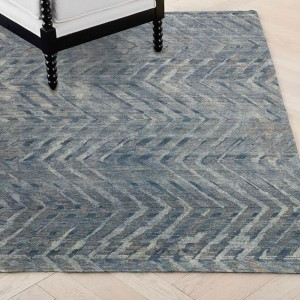
Where Wool Rugs Work Best in Interior Design
Wool rugs are highly versatile and can be used across different types of interior spaces depending on their design, thickness, and texture.
In residential settings, they are commonly placed in living rooms and bedrooms to enhance comfort and visual warmth. In commercial environments, they are often used in lounges, hotel rooms, and executive offices where both appearance and comfort matter.
Their natural aesthetic also allows them to integrate easily with various design styles, from minimalist modern interiors to more traditional and luxurious spaces.
● Living rooms to create a central comfort zone
● Bedrooms for soft and warm underfoot experience
● Hotel suites to enhance guest comfort and luxury feel
● Office lounges for acoustic and visual improvement
● Reading areas or private corners for relaxation
Acoustic and Environmental Benefits
Beyond comfort and durability, wool rugs also contribute significantly to acoustic control within indoor spaces. Hard flooring surfaces tend to reflect sound, which can create echo and noise buildup in open interiors.
Wool rugs absorb a portion of this sound energy, reducing noise levels and improving overall acoustic quality. This makes them especially useful in apartments, offices, and multi-functional spaces.
In addition, wool is a renewable and biodegradable material, making it a more environmentally responsible choice compared to many synthetic alternatives.
● Reduces echo and sound reflection in indoor spaces
● Improves acoustic comfort in open-plan layouts
● Made from renewable natural wool fibers
● Biodegradable and environmentally friendly material
● Supports sustainable interior design practices
Design Flexibility and Aesthetic Value
Wool rugs offer a wide range of design possibilities, from minimal neutral tones to complex patterns and handcrafted textures. Their natural fiber structure allows dyes to be absorbed evenly, resulting in rich and long-lasting colors.
In modern interiors, wool rugs are often used as grounding elements that balance furniture arrangements and add depth to otherwise simple spaces. Their texture can also introduce subtle contrast against smooth surfaces such as wood, stone, or tile.
This makes them not only functional but also an important part of interior storytelling.
Conclusion
A wool rug represents a balance of natural performance, long-term durability, and timeless design value. It enhances interior spaces not only visually but also physically by improving comfort, acoustics, and environmental balance.
As interior design continues to move toward natural materials and sustainable living, wool rugs remain one of the most reliable and versatile choices for both residential and commercial applications.
FAQ
1. Are wool rugs better than synthetic rugs?
Wool rugs generally offer better durability, comfort, and environmental performance, while synthetic rugs may be cheaper and easier to clean.
2. Do wool rugs shed a lot?
New wool rugs may shed slightly at first, but this typically reduces over time with regular vacuuming.
3. Can wool rugs be used in high-traffic areas?
Yes, wool rugs are naturally durable and suitable for moderate to high-traffic indoor spaces.
4. How often should a wool rug be cleaned?
Regular vacuuming is recommended weekly, with professional deep cleaning every 6–12 months depending on usage.
Post time: Jun-10-2026


