


A carpet rug mat is often smaller and more functional than a large area rug, but that does not make it less important. In many homes and commercial spaces, the mat is the first textile product people step on when they enter a room. It catches dust near the doorway, softens a kitchen standing area, protects flooring in a hallway, adds comfort beside a bed, and gives small spaces a more finished look. Because it is used so frequently, a carpet rug mat must be selected with more practical thinking than users often expect.
Choosing a carpet rug mat should begin with location. A mat at the entrance has a different job from a mat beside a bed. A kitchen mat needs different performance from a decorative rug mat in a reading corner. A hallway runner-style mat must handle movement, while an office mat may need to protect flooring under chairs or create a softer visual area. When the function is clear, material, backing, pile height, pattern, and size become much easier to decide.
A Carpet Rug Mat Is Small, But Its Job Is Specific
Common functions include:
- · Reducing dust carried into indoor spaces
- · Protecting flooring from frequent footsteps
- · Creating a soft standing area near a kitchen sink
- · Adding warmth beside a bed or sofa
- · Making hallways and narrow spaces less empty
- · Giving office corners or reception areas a neater look
- · Providing a decorative detail without covering the full floor
This is why all mats should not be treated as the same product. A decorative mat can focus more on pattern and softness. An entrance mat must pay more attention to dirt control and backing stability. A hallway mat should be flat, durable, and safe for walking.
Match the Mat to the Real Use Area
Entrance and Doorway Areas
A carpet rug mat near the entrance needs stability and dirt control. It should not slide when people step in quickly, and it should not be so thick that the door cannot open smoothly. Darker colors, mixed patterns, or textured surfaces can help hide dust between cleanings.
Kitchen and Utility Spaces
In kitchens, people often stand for long periods while preparing food or washing dishes. A carpet rug mat can make standing more comfortable and protect the floor from light splashes. However, kitchen mats should be easy to clean and should not have a surface that holds too much dirt.
Low-pile or flat surface designs are often easier to maintain. A stable backing is important because slipping near a kitchen sink can be risky.
Hallways and Narrow Rooms
Hallways are high-movement areas. A rug mat in these spaces should be thin enough to stay flat, strong enough for repeated walking, and visually balanced with the length of the corridor. Patterns can be useful because they reduce the visibility of small marks.
A hallway mat can also make a narrow space feel more designed. Instead of leaving a long floor strip empty, the mat adds texture and direction.
Bedroom and Sofa-Side Areas
In bedrooms and living areas, comfort can be more important than dirt control. A small carpet rug mat beside the bed can give a soft landing for the feet. A rug mat beside a sofa can make a reading corner or tea area feel warmer.
In these locations, softer textures, warmer colors, or printed designs can be chosen softer textures, warmer colors, or printed designs that match the room style.
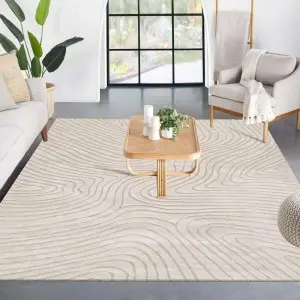
Backing Is Not a Detail
The backing of a carpet rug mat directly affects safety and usability. A beautiful mat that slides, wrinkles, or curls will quickly become frustrating. In high-use areas, backing stability can matter as much as the surface design.
Pile Height Changes Cleaning and Comfort
A thick carpet rug mat may look soft, but it is not always the best option. High pile can feel comfortable in bedrooms, but near entrances or kitchens it may trap dust and moisture more easily. A lower pile or flatter structure can be more practical in busy spaces.
Pile height can be considered this way:
- · Low pile: practical for entrances, hallways, kitchens, and offices
- · Medium pile: suitable for living rooms, bedside areas, and light-use spaces
- · Soft plush pile: comfortable for bedrooms and decorative corners, but less ideal for dirty or wet areas
Pattern Can Help With Maintenance
Solid light-colored mats look clean in photos, but they may show dust, footprints, and small stains quickly. Patterned carpet rug mats can be more forgiving in daily use. Printed designs, vintage effects, geometric patterns, and mixed colors can hide small marks while still improving decoration.
Carpet Rug Mat Selection Checklist
Before ordering, a simple checklist can be used:
- · Where will the mat be placed?
- · Will people step on it with shoes?
- · Does it need anti-slip backing?
- · Will it be near moisture or food?
- · Does the door need to pass over it?
- · Should it be soft, flat, decorative, or durable?
- · What size fits the walking area or furniture position?
- · Will the color hide daily marks?
- · How often can it be cleaned?
This checklist helps avoid the common mistake of choosing a mat only by appearance.
Fanyo Carpets for Carpet Rug Mat Solutions
Fanyo Carpets provides a wide range of carpets and rugs for homes and commercial interiors, including printed carpets, modern rugs, vintage-style rugs, children’s rugs, wool carpets, tufted rugs, and customized rug mat options. For carpet rug mat projects, suitable color, pattern, size, shape, surface texture, backing, and edge finishing can be selected according to the use area.
This customization is helpful because mats are often used in very specific locations. An entrance mat may need a darker printed surface and stable backing. A bedroom mat may need softer texture and warmer color. A children’s room mat may need playful design and comfortable surface. A commercial space may need a neater design that supports frequent cleaning.
Conclusion
A carpet rug mat may be smaller than a large area rug, but it has a direct effect on comfort, cleanliness, safety, and floor protection. The right choice depends on location, backing, pile height, pattern, size, and cleaning needs. When these details are considered together, a rug mat becomes a practical product that improves daily use while also adding style to the space.
FAQ
Q1: Where can a carpet rug mat be used?
It can be used near entrances, kitchens, hallways, bedrooms, sofas, offices, reception areas, and other small functional spaces.
Q2: Should a carpet rug mat have anti-slip backing?
In many areas, yes. Anti-slip backing or an anti-slip pad is especially useful for entrances, kitchens, hallways, and homes with children or elderly users.
Q3: Is a low-pile carpet rug mat better?
Low-pile mats are often better for entrances, kitchens, and hallways because they are easier to clean and less likely to trap dirt.
Q4: Can carpet rug mats be customized?
Yes. Carpet rug mats can be customized in size, color, pattern, shape, backing, surface texture, and edge finishing.
Post time: Jul-22-2026


