


Persian carpet has a long-standing reputation in interior decoration because it combines pattern, color, craftsmanship, and cultural character in one flooring product. For many buyers, a Persian carpet is not only something placed under a table. It is a decorative center that can define a room, add luxury, and create a sense of warmth that plain flooring cannot provide.
Today, Persian carpet is used in both classic and modern spaces. Traditional red, blue, ivory, and gold patterns are still popular, but many buyers also choose softer vintage tones, black Persian designs, modern color palettes, or customized sizes for apartments, villas, hotels, offices, showrooms, and commercial interiors. This flexibility allows Persian-style carpets to stay relevant even as interior trends change.
When choosing a Persian carpet, buyers should think about more than pattern preference. Material, pile height, backing, construction, size, color balance, room layout, and maintenance needs all affect whether the carpet will look right and perform well after installation.
The Appeal of Persian Carpet Patterns
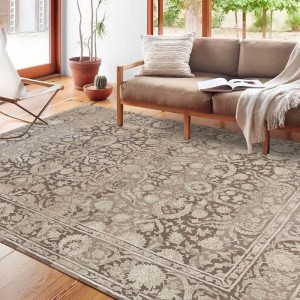
Persian carpet designs are known for rich details. Common elements include central medallions, floral motifs, borders, vines, geometric details, and layered color arrangements. These patterns can make a room feel more complete because they provide structure and visual rhythm.
A central medallion design works well when the carpet is fully visible in a living room, lounge, or reception area. Border patterns help frame the space and connect furniture. All-over floral or distressed Persian patterns may be easier to use under sofas, beds, or tables because the beauty of the carpet does not depend on one single visible center.
Choosing the Right Color Direction
Color has a strong influence on how Persian carpet changes a room. Red Persian carpets create warmth, richness, and classic atmosphere. Blue Persian carpets often feel calmer and more artistic. Ivory and beige Persian carpets are easier to match with modern interiors. Black Persian carpets can create a dramatic and elegant look when paired with light walls or metallic details.
For small rooms, buyers may prefer lighter Persian rugs with softer contrast. For large spaces, deeper colors and stronger patterns can create a more powerful foundation. In commercial interiors, the color should also match lighting, furniture, wall materials, and brand style.
Persian Carpet for Homes
In a home, Persian carpet can be used as the main decorative anchor. In the living room, it can connect the sofa, coffee table, and chairs into one warm area. In the bedroom, a softer Persian rug can make the bed area feel more comfortable and layered. In a study or reading room, it can add a calm and refined atmosphere.
For home use, comfort and color matching are important. A Persian carpet should not fight with furniture or wall decoration. If the room already has many patterns, a softer vintage Persian design may be better. If the room is simple, a more detailed red or blue Persian carpet can become the main design feature.
Persian Carpet for Hotels and Commercial Interiors
Hotels, restaurants, clubs, offices, and showrooms often use Persian carpet to create a refined impression. A Persian-style rug in a hotel lobby can make the entrance warmer and more memorable. In a boutique store, it can support a curated lifestyle atmosphere. In an office reception area, it can soften the professional environment and make visitors feel more comfortable.
For commercial spaces, the carpet should be selected with traffic and cleaning in mind. Strong backing, suitable pile height, good density, and practical color choices are important. A beautiful carpet that cannot handle regular use may not be the best project choice.
Material, Pile Height, and Construction
Persian carpets can be made with different materials and production methods. Wool is often valued because it gives a natural texture, good comfort, and a premium appearance. A 100% wool Persian-style carpet can provide richness and resilience for high-end interiors. Other constructions may be used when buyers need more cost control or a specific surface effect.
Pile height also affects comfort and appearance. A carpet with a moderate pile height can balance softness and maintenance, while a thicker pile may feel more luxurious in low-traffic areas. Cut and loop structures can create textured details, helping Persian-style patterns appear more dimensional.
Customization Gives Persian Carpet Modern Value
One reason Persian carpet remains popular is that the style can be adapted to modern needs. Buyers may want a traditional red rug, a black Persian carpet, a softer vintage Persian design, a specific size, or a color palette that matches a hotel project. Customization makes this possible.
Instead of forcing an interior to fit an existing rug, buyers can adjust the rug to fit the project. This is especially helpful for villas, hotels, offices, restaurants, mosques, casinos, conference rooms, and large living areas where size and visual consistency matter.
Fanyo Carpets and Persian Carpet Options
Fanyo Carpets offers Persian-style rugs and related carpet products for different spaces, including wool carpets, vintage Persian designs, hand-tufted carpets, printed carpets, and customized carpet solutions. Some Persian-style products feature wool material, customized pile height, cotton backing, and cut and loop construction, making them suitable for living rooms and decorative interior projects.
For buyers who need Persian carpet for home or commercial use, Fanyo Carpets can support selection in size, design, color, surface style, backing, and application scene. This helps the carpet fit the room’s function as well as its decorative goal.
Conclusion
Persian carpet remains a timeless choice because it combines pattern richness, cultural character, comfort, and strong decorative value. It can make homes warmer, hotels more elegant, offices more welcoming, and commercial interiors more memorable.
The key to choosing the right Persian carpet is to match the product with the room. Buyers should consider color, pattern scale, material, pile height, backing, size, traffic level, and customization needs. When selected carefully, a Persian carpet can become one of the most important design elements in the space.
FAQ
Q1: What is a Persian carpet?
A Persian carpet is a rug or carpet inspired by traditional Persian design, often featuring medallions, floral motifs, borders, rich colors, and detailed patterns.
Q2: Is Persian carpet suitable for modern homes?
Yes, Persian carpet can suit modern homes when the color, size, and pattern scale are matched with the furniture and room style.
Q3: What colors are common in Persian carpets?
Common colors include red, blue, ivory, beige, brown, black, gold, and vintage muted tones.
Q4: Can Persian carpet be customized?
Yes, Persian carpet can be customized in size, color, pattern, pile height, backing, surface texture, and application scene.
Post time: Jul-13-2026


