


A room rug is one of the most versatile and essential interior elements used in modern home design, serving both decorative and functional purposes in living rooms, bedrooms, offices, and personal spaces. While often considered a simple accessory, the right rug can completely transform how a room feels by improving comfort, defining layout zones, and enhancing overall visual harmony.
In today’s interior design trends, room rugs are no longer chosen only for color or pattern. Homeowners and designers increasingly evaluate them based on texture, material performance, durability, and how well they integrate with furniture and spatial flow. This shift has made room rugs a key component in creating balanced and livable environments.
How Does a Room Rug Influence the Overall Atmosphere of a Space?
A room rug plays a central role in shaping the emotional and visual character of an interior. It acts as a grounding layer that connects furniture pieces while softening the transition between hard flooring and living elements such as sofas, beds, and tables.
In open-plan layouts, a rug helps define specific functional zones without the need for physical partitions. For example, a seating area can feel more cohesive when anchored by a rug that visually ties all elements together.
Beyond structure, rugs also influence perception of warmth and comfort. Soft textures underfoot create a more welcoming atmosphere, especially in spaces with tile, wood, or stone flooring.
● Defines functional zones within open spaces without physical barriers
● Enhances visual balance between furniture and flooring elements
● Adds warmth and softness to hard surface interiors
● Improves spatial cohesion by visually anchoring key furniture pieces
● Contributes to a more comfortable and inviting home environment
Choosing the Right Material for Long-Term Use
Material selection is one of the most important factors when choosing a room rug because it directly affects durability, comfort, and maintenance requirements. Different materials offer different performance characteristics depending on usage conditions.
Natural fibers such as wool are known for their resilience and long-lasting structure, while synthetic fibers often provide easier maintenance and cost efficiency. Blended materials can offer a balance between both.
The ideal choice depends on whether the rug is intended for high-traffic areas, decorative purposes, or comfort-focused spaces such as bedrooms.
● Wool rugs provide natural durability, softness, and temperature regulation
● Cotton rugs offer lightweight flexibility and easy cleaning
● Synthetic rugs deliver stain resistance and affordability
● Blended fiber rugs balance performance and cost efficiency
● Handwoven textures enhance decorative and artisanal value
Why Texture Matters More Than Many People Expect
Texture is often overlooked in rug selection, but it plays a major role in how a space feels physically and visually. A dense, soft rug creates a sense of comfort and luxury, while low-pile or flat-weave rugs tend to emphasize minimalism and practicality.
In bedrooms, plush textures are commonly preferred because they enhance relaxation and comfort underfoot. In living rooms, medium-density textures often strike a balance between comfort and durability.
Texture also influences how light interacts with the surface, which can subtly change how colors appear throughout the day.
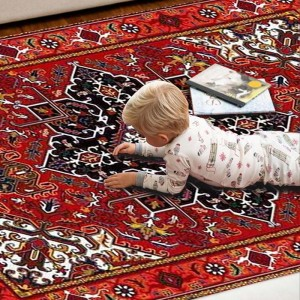
Room Rug Placement and Interior Balance
Correct placement is essential for achieving visual harmony in interior design. A rug that is too small or incorrectly positioned can make a space feel disjointed, while a well-sized rug can unify the entire room layout.
In living rooms, rugs are typically placed under seating arrangements to anchor sofas and chairs together. In bedrooms, they are often positioned under the lower two-thirds of the bed to create a soft landing area.
Proper placement also helps guide movement flow within a room, especially in compact living environments where space efficiency is important.
● Living room rugs should connect seating furniture into one visual unit
● Bedroom rugs should extend beyond the bed for comfort and balance
● Entryway rugs should be durable and easy to clean due to heavy use
● Large rugs create a more spacious visual effect in small rooms
● Small rugs are best used as accent pieces rather than main anchors
Maintenance and Everyday Usability
A practical room rug should not only look good but also be easy to maintain in daily life. Maintenance requirements vary depending on material and pile structure, but most rugs benefit from regular vacuuming and occasional deep cleaning.
High-traffic areas require more frequent care, especially in households with pets or children. Stain-resistant materials or treated fibers can significantly reduce long-term maintenance effort.
Rotating the rug periodically also helps ensure even wear and extends its lifespan, especially in sun-exposed or frequently used areas.
How Room Rugs Improve Comfort and Acoustic Quality
Beyond aesthetics, room rugs play an important role in improving acoustic comfort within a home. Hard flooring surfaces tend to reflect sound, which can make rooms feel louder and less comfortable.
A rug absorbs part of the sound energy generated by footsteps, furniture movement, and everyday activity, resulting in a quieter and more balanced indoor environment.
This acoustic benefit is particularly valuable in apartments, shared living spaces, or multi-level homes where noise control is important.
Design Trends in Modern Room Rugs
Modern interior design trends show a strong preference for simplicity, natural tones, and functional elegance. Neutral-colored rugs with subtle textures are widely used because they integrate easily with different furniture styles.
At the same time, bold patterned rugs are often used as statement pieces in minimalist interiors, where they become focal points within otherwise simple spaces.
Sustainable materials are also gaining popularity, as more homeowners seek environmentally responsible home decor solutions that align with long-term living values.
Conclusion
A room rug is far more than a decorative accessory; it is a functional design element that directly influences comfort, visual balance, and acoustic quality within a living space. When carefully selected based on material, texture, size, and placement, it can significantly enhance the overall atmosphere of a room.
As modern homes continue to emphasize comfort, personalization, and functional design, room rugs remain one of the most effective and accessible ways to improve interior living quality without major renovation.
FAQ
1. What size room rug should I choose for my living room?
The rug should generally be large enough to fit under at least the front legs of all seating furniture to create a unified visual layout.
2. Are wool room rugs better than synthetic ones?
Wool rugs offer better durability, natural softness, and temperature regulation, while synthetic rugs are often easier to clean and more budget-friendly.
3. How often should a room rug be cleaned?
Regular vacuuming should be done weekly, while deep cleaning is recommended every 6–12 months depending on usage.
4. Can a room rug help reduce noise in a home?
Yes, room rugs help absorb sound and reduce echo, making indoor spaces quieter and more comfortable.
Post time: Jun-08-2026


