


Tufted wool carpet has become a preferred choice in both residential and commercial interiors due to its balance of comfort, durability, and natural aesthetics. It offers a warm underfoot feel while maintaining strong performance in high-traffic environments. As demand for sustainable and premium flooring grows, tufted wool carpets continue to stand out as a practical and stylish solution.
This type of carpet is widely used in hotels, offices, retail spaces, and modern homes where both appearance and functionality matter. Understanding its structure, benefits, and application scenarios helps buyers and designers make more informed flooring decisions.
What Makes Tufted Wool Carpet Different in Construction and Performance
Tufted wool carpet is manufactured using a process where yarn is inserted into a backing material to form loops or cut piles. After tufting, a secondary backing is applied to reinforce stability and improve dimensional strength. Compared with woven carpets, tufted production is faster and more flexible, allowing a wide variety of textures, patterns, and pile heights.
Wool fibers add another layer of performance advantages. As a natural material, wool is resilient, flame-resistant, and capable of regulating indoor humidity. When combined with tufted construction, it creates a flooring product that is both practical and visually appealing.
Unlike synthetic-only carpets, tufted wool options provide a softer touch and a more refined surface appearance, making them suitable for premium interior environments where comfort and design quality are priorities.
Key Advantages of Tufted Wool Carpet in Interior Applications
Tufted wool carpets are valued for their unique combination of natural fiber benefits and modern manufacturing efficiency. These advantages make them suitable for a wide range of environments.
● Natural resilience and elasticity that helps the carpet maintain its shape even after long-term foot traffic
● Excellent thermal insulation properties, contributing to energy efficiency and indoor comfort
● Strong sound absorption performance, reducing noise levels in offices, hotels, and residential spaces
● Natural stain resistance due to wool’s protective outer layer, making maintenance easier
● Fire-resistant characteristics, improving safety in commercial installations
● Environmentally friendly material choice, supporting sustainable building standards
These characteristics make tufted wool carpets a strong competitor against synthetic alternatives, especially in projects where long-term performance and environmental responsibility are important.
Applications Across Residential and Commercial Spaces
Tufted wool carpets are highly versatile and can be adapted to different design and functional requirements. Their ability to combine elegance with durability makes them suitable for multiple industries.
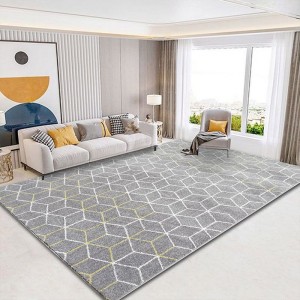
In residential settings, they are often installed in living rooms, bedrooms, and hallways where comfort and warmth are essential. The soft texture enhances the feeling of luxury while maintaining practicality for everyday use.
In commercial environments such as hotels, tufted wool carpets contribute to a premium atmosphere while handling continuous foot traffic. Offices also benefit from their acoustic control properties, which help create quieter and more productive workspaces.
Retail spaces and public buildings use tufted wool carpets to enhance visual appeal while maintaining durability under heavy use conditions. Their ability to maintain appearance over time is a key advantage in such demanding environments.
Performance Factors That Influence Quality and Durability
The performance of tufted wool carpet depends on several important factors, including fiber quality, pile density, backing system, and manufacturing precision. Higher wool content generally improves softness and resilience, while tighter tufting density enhances durability and wear resistance.
Backing systems also play a critical role in stability. A well-constructed secondary backing helps prevent deformation, curling, or separation over time. This is particularly important in high-traffic areas where flooring is exposed to continuous pressure.
Pile height and style also influence performance. Lower pile carpets tend to offer greater durability, while higher pile designs provide more comfort and visual depth. Selecting the right configuration depends on the intended use environment.
Moisture resistance and cleaning behavior are additional considerations. Although wool naturally resists dirt, proper maintenance practices ensure long-term appearance retention and hygiene.
Design Flexibility and Aesthetic Value in Modern Interiors
One of the strongest advantages of tufted wool carpet is its design versatility. It can be produced in a wide range of colors, textures, and patterns, making it suitable for both minimalist and complex interior designs.
The tufting process allows manufacturers to create loop pile, cut pile, or mixed pile structures, each offering a different visual and tactile effect. Loop pile designs often deliver a more structured and durable surface, while cut pile versions provide a softer and more luxurious feel.
Wool fibers also enhance color richness, allowing carpets to display deeper and more natural tones compared to many synthetic alternatives. This makes tufted wool carpets particularly attractive for designers seeking a refined and timeless aesthetic.
In modern interior design trends, there is an increasing emphasis on natural materials and sustainable elements. Tufted wool carpet fits well into this direction, offering both visual warmth and environmentally responsible material selection.
Maintenance and Long-Term Care Considerations
Proper maintenance is essential for preserving the performance and appearance of tufted wool carpet over time. Although wool is naturally resilient, regular care helps extend its lifespan and maintain its original texture.
Routine vacuuming is the most important maintenance practice, as it removes surface dust and prevents dirt from embedding into fibers. In commercial spaces, more frequent cleaning may be required due to higher foot traffic.
Spill management should be handled promptly to prevent staining. Wool’s natural resistance helps reduce absorption, but immediate cleaning still ensures better results. Professional deep cleaning is recommended periodically to restore fiber structure and freshness.
Avoiding excessive moisture during cleaning is also important, as controlled humidity levels help maintain carpet stability and prevent backing damage.
Environmental and Sustainability Benefits
Tufted wool carpet is increasingly recognized for its environmental advantages. Wool is a renewable fiber sourced from sheep, making it a more sustainable option compared to petroleum-based synthetic materials.
The production process of tufted carpets is also generally more resource-efficient than traditional weaving methods, contributing to reduced manufacturing energy consumption. Additionally, wool’s biodegradability ensures that it has a lower environmental impact at the end of its lifecycle.
In modern green building standards, materials like tufted wool carpet can contribute to sustainability certifications and eco-friendly construction goals. This makes it an attractive choice for architects and developers focused on environmental responsibility.
Market Trends and Growing Demand for Natural Fiber Carpets
The global flooring market has seen a steady shift toward natural and high-performance materials. Tufted wool carpet is benefiting from this trend due to increasing awareness of indoor environmental quality and sustainable design.
Consumers are becoming more selective about flooring materials, prioritizing comfort, longevity, and ecological impact. As a result, wool-based carpets are gaining traction in both premium residential projects and high-end commercial developments.
Technological improvements in tufting equipment have also expanded design possibilities, allowing for more precise patterns, improved density control, and enhanced production efficiency. This combination of tradition and innovation continues to drive market growth.
FAQ About Tufted Wool Carpet
1. Is tufted wool carpet suitable for high-traffic areas?
Yes, tufted wool carpet performs well in moderate to high-traffic environments due to its natural resilience and durable backing structure. Proper density and pile selection further improve its lifespan.
2. How does wool carpet compare to synthetic carpet?
Wool carpet offers better natural insulation, flame resistance, and comfort, while synthetic carpets may provide lower initial cost. Wool is generally preferred for premium and long-term applications.
3. Can tufted wool carpet be used in commercial buildings?
Yes, it is widely used in hotels, offices, and public spaces due to its durability, sound absorption, and aesthetic quality.
4. Does wool carpet require special cleaning methods?
Wool carpet does not require complicated cleaning, but it benefits from regular vacuuming and periodic professional cleaning to maintain appearance and hygiene.
Tufted wool carpet continues to be a strong flooring solution for projects that require a balance of comfort, durability, and natural design appeal. Its combination of material quality and manufacturing flexibility ensures long-term value across a wide range of interior applications.
Post time: May-22-2026


