


Tufted carpet design has become an essential part of modern interior architecture, offering a flexible balance between aesthetics, functionality, and cost efficiency. From luxury hotels to residential living rooms and corporate offices, tufted carpets provide endless creative possibilities that help define the character of a space.
As interior design trends continue to evolve toward personalization and material diversity, tufted carpet design plays a key role in shaping visual identity while maintaining durability and comfort under daily use.
Understanding Tufted Carpet Design and Its Manufacturing Flexibility
Tufted carpet design refers to the visual and structural patterns created through the tufting process, where yarn is inserted into a primary backing to form loops or cut piles. After tufting, a secondary backing is applied to stabilize the structure and ensure long-term durability.
This manufacturing method allows designers to experiment with textures, pile heights, color combinations, and pattern layouts. Unlike woven carpets, tufted carpets can be produced more efficiently while still offering a wide range of artistic expression.
Modern tufted carpet design is no longer limited to simple solid colors. It now includes geometric patterns, abstract art styles, gradient effects, and even customized branding elements for commercial environments.
Key Elements That Define Tufted Carpet Design Quality
The quality of tufted carpet design depends not only on visual appeal but also on material selection and structural engineering. Several factors determine how a carpet performs over time and how it contributes to interior aesthetics.
● Yarn type selection, including wool, nylon, polyester, or blended fibers, directly affects texture and durability
● Tuft density influences pattern clarity and wear resistance, especially in high-traffic areas
● Pile height variation creates depth, shadow effects, and tactile diversity within the design
● Colorfastness ensures that design patterns remain vibrant over long-term use
● Backing stability supports the integrity of complex patterns and prevents distortion
High-quality tufted carpet design combines artistic creativity with technical precision, ensuring that visual patterns remain consistent even after years of use.
Popular Tufted Carpet Design Styles in Modern Interiors
Contemporary tufted carpet design trends reflect the growing demand for personalized and visually engaging flooring solutions. Different design styles are used depending on the type of space and its functional requirements.
One of the most popular approaches is geometric tufted carpet design, which uses clean lines, repeating shapes, and structured layouts to create a modern and organized visual effect. This style is commonly used in office environments and commercial lobbies.
Abstract tufted carpet design is another growing trend, often inspired by modern art, natural textures, or fluid motion patterns. These designs are widely used in hotels and luxury residential spaces to create a unique atmosphere.
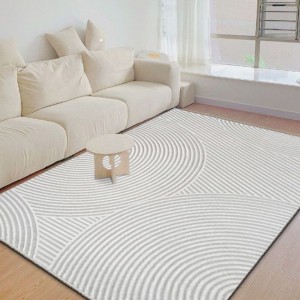
Minimalist tufted carpet design focuses on subtle textures and neutral tones, making it ideal for Scandinavian-style interiors and contemporary residential spaces where simplicity is key.
Gradient and ombré tufted carpet designs are also gaining popularity, blending colors smoothly across surfaces to create depth and movement within a room.
Applications of Tufted Carpet Design in Different Environments
Tufted carpet design is widely used across multiple industries due to its adaptability and performance characteristics. Each application requires a different balance of durability, aesthetics, and maintenance requirements.
In residential spaces, tufted carpet designs are often used to enhance comfort and warmth in bedrooms, living rooms, and private lounges. The design focus here is usually on softness, calming colors, and visual harmony with furniture.
In hospitality environments such as hotels and resorts, tufted carpet design plays a major role in creating a luxurious and memorable guest experience. Designers often use custom patterns that reflect brand identity or local cultural themes.
In corporate offices, tufted carpet design is used to improve acoustic performance while reinforcing brand image through subtle color schemes and structured patterns that reflect professionalism and order.
Retail spaces benefit from bold and attention-grabbing tufted carpet designs that guide customer movement and enhance product presentation areas.
Functional Benefits Behind Tufted Carpet Design Choices
While tufted carpet design is often evaluated visually, its functional benefits are equally important in real-world applications. Design decisions often influence comfort, acoustics, and long-term maintenance.
● Acoustic control is improved through dense tufted structures that absorb sound and reduce echo in large spaces
● Thermal insulation helps maintain indoor temperature stability and improves energy efficiency
● Surface softness enhances comfort, especially in residential and hospitality environments
● Pattern-based design helps conceal wear patterns and extend visual lifespan in high-traffic zones
● Custom branding integration allows businesses to reinforce identity through flooring design
These functional advantages make tufted carpet design a strategic decision in architectural planning rather than just a decorative element.
Customization Trends in Tufted Carpet Design
Customization has become one of the most important trends in tufted carpet design. Clients now demand flooring solutions that reflect their brand identity, architectural vision, or personal taste.
Advanced tufting technology allows precise control over pattern creation, enabling designers to translate digital artwork directly into carpet surfaces. This includes company logos, thematic artwork, or site-specific visual storytelling.
Color customization is another key aspect, with manufacturers offering a wide spectrum of shades and dye techniques to match interior palettes. Texture variation can also be customized through different pile heights and yarn combinations.
In commercial projects, custom tufted carpet design is often used as a branding tool, reinforcing identity in reception areas, meeting rooms, and public spaces.
Material Selection and Its Impact on Design Performance
The choice of materials significantly affects the outcome of tufted carpet design. Different fibers offer different visual and performance characteristics, making material selection a core part of the design process.
Wool fibers provide a natural, luxurious appearance with excellent resilience and color depth. Nylon is widely used for high-traffic areas due to its durability and stain resistance. Polyester offers cost-effective design flexibility with vibrant color reproduction.
Blended fibers are often used to combine the advantages of multiple materials, achieving a balance between aesthetics, durability, and cost efficiency.
Backing materials also play a role in maintaining design stability, ensuring that patterns remain aligned and visually consistent over time.
Maintenance Considerations for Designed Tufted Carpets
Proper maintenance is essential to preserve the integrity of tufted carpet design. Even the most advanced designs can lose their visual impact without appropriate care.
Regular vacuuming helps maintain surface cleanliness and prevents dust accumulation that can dull colors. In commercial environments, scheduled deep cleaning is necessary to maintain hygiene and appearance.
Spill management should be handled promptly to avoid staining, especially in light-colored or intricate design patterns. Professional cleaning methods are recommended for high-value installations to ensure fiber protection.
Design-friendly maintenance strategies help extend the lifespan of both visual and functional qualities of tufted carpets.
Market Growth and Future of Tufted Carpet Design
The tufted carpet design industry is experiencing steady growth due to increasing demand for customized interior solutions. Architects and designers are increasingly integrating flooring design into the overall spatial concept rather than treating it as a separate element.
Technological advancements in digital tufting and computer-aided design have significantly expanded creative possibilities. This allows for more complex patterns, higher precision, and faster production cycles.
Sustainability trends are also influencing tufted carpet design, with more eco-friendly materials and production methods being adopted to meet environmental standards.
FAQ
1. What is tufted carpet design?
Tufted carpet design refers to patterns and visual styles created through the tufting manufacturing process, where yarn is inserted into a backing to form decorative and functional flooring surfaces.
2. Can tufted carpet designs be customized?
Yes, modern tufting technology allows full customization, including logos, patterns, colors, and texture variations for both residential and commercial projects.
3. Which spaces are best for tufted carpet design?
Tufted carpet designs are suitable for homes, hotels, offices, retail stores, and public buildings due to their versatility and durability.
4. Is tufted carpet design durable in high-traffic areas?
Yes, when designed with high-density tufting and durable fibers like nylon or wool blends, tufted carpets perform well in high-traffic environments.
Tufted carpet design continues to evolve as a key element in modern interior architecture, combining creativity, functionality, and performance to meet the demands of diverse spaces.
Post time: May-20-2026


