


Wool Carpet is widely used in hotels, offices, clubs, villas, cinemas, meeting rooms, and commercial interiors because it not only improves interior decoration but also enhances underfoot comfort, reduces noise, and creates a more pleasant atmosphere. For project purchasing and commercial interiors, carpet selection should not be based on appearance alone. Durability, maintenance cost, usage frequency, and overall space experience must also be considered.
Commercial flooring faces heavy foot traffic, frequent cleaning, and long-term use every day. If the carpet structure is unstable, the surface may wear, look dirty, or deform quickly, which affects the image of the space and increases future maintenance and replacement costs. A suitable wool carpet can create a good balance between appearance and practical use.
Commercial Spaces Need More Stable Carpet Performance
Hotels and commercial projects usually have higher requirements for carpets than ordinary homes. Guest rooms need comfort, corridors require wear resistance and noise reduction, lobbies need visual impact, offices require a professional atmosphere, while meeting rooms and audio-visual spaces pay more attention to acoustic performance.
A carpet that looks good at the sample stage but does not suit the real environment can easily create trouble later. For example, hotel corridors receive constant traffic, so the surface may become flattened over time. In offices, frequent chair movement and daily walking may cause local wear. In commercial spaces, very light colors may create more cleaning pressure.
For this reason, wool carpet for commercial projects should be selected according to space function rather than only design images. Only when the material, structure, color, and maintenance method match the actual application can the carpet deliver long-term value.
Better Durability for High-Traffic Areas
Hotel corridors, lobby entrances, office walkways, meeting areas, and club public spaces are all high-use areas. Carpets in these locations must withstand continuous foot traffic and pressure. If the pile density is insufficient or the backing is unstable, the surface may become flattened, loose, or worn.
Wool fibers have natural resilience, which gives wool carpet an advantage in commercial spaces. It can maintain a better surface condition after foot pressure and help the space keep a more comfortable appearance over time. However, wool material alone cannot replace proper structure. Wool carpet used in high-traffic areas should prioritize higher density, stable backing, and pile designs suitable for commercial use.
For project procurement, the unit price should not be the only standard. If a carpet is cheaper but has a shorter service life, higher maintenance frequency, and more complicated replacement needs, the total cost may become higher. In comparison, wool carpet with a stable structure and longer service life is often more suitable for the long-term operation of hotels and commercial projects.
A Quieter Interior Experience
Noise often affects user experience in commercial spaces, but it is easily overlooked when choosing flooring materials. In hotels, loud footsteps in corridors may disturb guests. In offices, strong echo can make employees feel tired. In meeting rooms and audio-visual spaces, excessive sound reflection may also affect the user experience.
Wool carpet can absorb part of the footstep noise and room echo, making the indoor environment quieter and softer. In hotel guest rooms, wool carpet enhances privacy and comfort. In offices, it reduces walking noise. In meeting rooms, cinemas, and recording-related spaces, the sound-absorbing effect of carpet can improve the overall feeling of the room.
For commercial projects, quietness is not only about comfort but also about space quality. When customers enter hotel rooms, office lounge areas, or high-end clubs, a soft and quiet floor surface helps the space feel more premium and professional.
Cleaning and Maintenance Should Match Space Function
Commercial spaces have higher cleaning requirements because the condition of the floor directly affects people’s first impression. Even if the walls, furniture, and lighting are well designed, a carpet that looks dirty, fuzzy, or visibly worn can lower the perceived quality of the entire space.
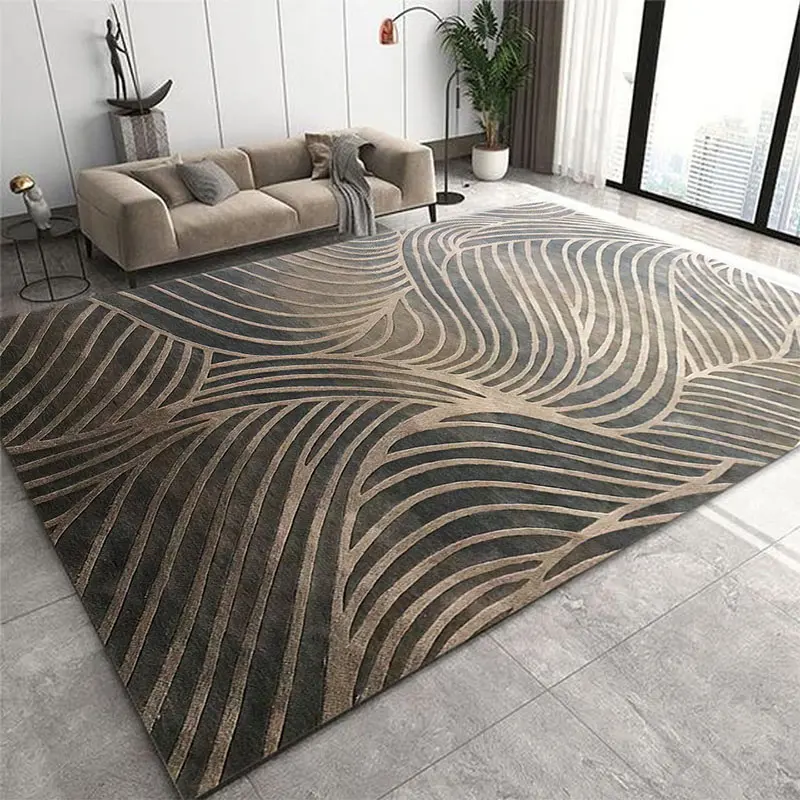
When choosing wool carpet, color and pattern are very important. For high-traffic areas, neutral colors, mixed shades, or subtle textured patterns can keep the space visually cleaner. Very light solid colors may be suitable for low-use or decorative areas, but they are not always suitable for entrances, corridors, or dining-related spaces.
Cleaning methods should also be included in project planning from the beginning. Commercial spaces should establish regular vacuuming and stain-treatment procedures to prevent dust from settling deep into the pile. For hotels and office buildings, maintenance recommendations should be confirmed during the purchasing stage so that the management team can follow them later.
Selection Directions for Different Commercial Areas
Wool carpet can be used in many commercial environments, but the selection focus differs by area.
● Hotel guest rooms
Guest rooms focus on comfort, quietness, and warmth. Wool carpet can make the space feel more residential and improve the guest experience.
● Hotel corridors
Corridors require wear resistance, noise reduction, and a clean visual effect. Patterned or mixed-color wool carpet can better handle signs of foot traffic.
● Hotel lobbies and lounge areas
These spaces require stronger decorative expression. Custom wool carpet can work with furniture, lighting, and brand style to create a more complete interior image.
● Offices and meeting rooms
Office spaces need flooring that looks professional, stays quiet, and is easy to maintain. Wool carpet can reduce noise while improving the overall office atmosphere.
● Cinemas, recording studios, and multifunctional spaces
These places pay more attention to sound absorption and comfort. Carpet can help improve the acoustic environment and make the space more stable for use.
● Clubs and villa projects
High-end projects often value personalized design. Wool carpet can enhance the overall level of the space through custom colors, patterns, and material combinations.
Custom Options Make Project Results More Complete
Commercial projects rarely rely completely on standard carpet sizes. Hotel corridors, lobbies, guest rooms, office areas, and club interiors often have clear requirements for size, color, and design. Custom wool carpet allows the flooring to match the space layout better instead of forcing the design plan to fit standard sizes.
Custom wool carpet can be adjusted according to project needs, including pattern, color, border, size, pile height, and material combination. For example, hotels can design unified patterns according to brand style. Offices can choose calmer colors. Clubs and villas can use more decorative design language. This not only improves the visual effect but also keeps different areas consistent in design logic.
For B2B procurement, customization also means better project coordination. Sample confirmation, color matching, batch production, packaging, shipping, and quality control all need to be arranged around the project schedule. Stable supply and professional support are also important for commercial projects.
Conclusion
Wool Carpet is not only a decorative material in hotels and commercial spaces. It also affects comfort, quietness, customer experience, and long-term maintenance cost. It is suitable for project spaces that need to balance quality, durability, and design value.
For hotels, offices, clubs, and commercial projects, wool carpet should be selected by considering the use area, foot traffic, cleaning method, design style, and customization needs. This allows the carpet to improve the image of the space while maintaining stable performance in long-term operation.
FAQ
1、Is wool carpet suitable for hotel projects?
Yes. Wool carpet can be used in hotel guest rooms, corridors, lobbies, and lounge areas to improve comfort, noise reduction, and overall interior quality.
2、What should be considered when choosing wool carpet for commercial spaces?
Buyers should consider pile density, backing stability, wear resistance, practical color selection, cleaning methods, and whether the carpet meets project safety and design requirements.
3、Can wool carpet improve office noise control?
Yes. Wool carpet can absorb footsteps and part of the room echo, making offices, meeting rooms, and lounge areas quieter and more comfortable.
4、Why is custom wool carpet better for commercial projects?
Custom wool carpet can match project dimensions, brand style, design patterns, and functional needs in different areas, making the overall space more consistent.
Post time: May-11-2026


