


Natural wool carpet has become one of the most trusted flooring materials in modern interior design, offering a unique balance of comfort, durability, and environmental responsibility. It is widely used in residential homes, hotels, offices, and premium commercial spaces where both performance and aesthetics are important.
As global demand for sustainable building materials continues to grow, natural wool carpet stands out as a high-quality solution that combines traditional natural fibers with modern manufacturing standards.
What Is Natural Wool Carpet and Why It Is Different from Synthetic Flooring
Natural wool carpet is made from 100% sheep wool fibers that are processed and woven or tufted into carpet structures. Unlike synthetic carpets made from petroleum-based materials such as nylon or polyester, wool carpets come from renewable natural sources.
Wool fibers have a naturally crimped structure, which gives them elasticity, softness, and resilience. This allows natural wool carpet to recover its shape after compression, making it ideal for areas with regular foot traffic.
In addition to its natural origin, wool contains a protective outer layer that helps resist dirt and moisture, reducing the need for frequent deep cleaning compared to many synthetic alternatives.
Key Advantages of Natural Wool Carpet in Modern Applications
Natural wool carpet offers a wide range of benefits that make it suitable for both residential and commercial environments. These advantages go beyond aesthetics and directly impact comfort, safety, and long-term performance.
● Excellent durability due to natural fiber resilience and elasticity
● Superior comfort with a soft and warm surface underfoot
● Natural thermal insulation that helps maintain indoor temperature stability
● Strong acoustic performance that reduces noise and echo in indoor spaces
● Built-in flame resistance, improving safety in residential and public buildings
● Eco-friendly and biodegradable material with a low environmental footprint
● Natural resistance to dust and dirt accumulation due to fiber structure
These characteristics make natural wool carpet a premium choice for architects, designers, and property developers seeking long-lasting flooring solutions.
Natural Wool Carpet in Residential Interior Design
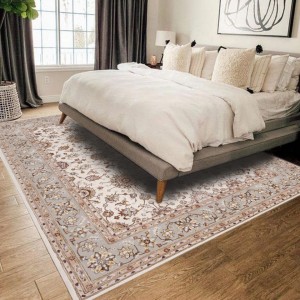
In residential spaces, natural wool carpet is widely used to enhance comfort and create a warm living environment. It is especially popular in bedrooms, living rooms, and family areas where softness and acoustic comfort are important.
Homeowners often choose natural wool carpet for its ability to create a cozy atmosphere while also improving indoor air quality by trapping dust particles within the fiber structure until vacuumed.
Design flexibility is another key advantage. Natural wool carpet can be produced in neutral tones, earthy colors, or custom shades that match modern interior styles such as Scandinavian, minimalist, or classic luxury design.
Commercial and Hospitality Applications of Natural Wool Carpet
In commercial environments, natural wool carpet is highly valued for its combination of durability and visual appeal. Hotels, resorts, and high-end offices frequently use wool carpets to create a premium interior experience.
In hotels, natural wool carpet is often installed in guest rooms, corridors, and lobbies to enhance luxury perception while maintaining comfort under heavy usage conditions. Its acoustic properties help reduce noise in busy environments, improving guest satisfaction.
In office spaces, wool carpet supports productivity by reducing sound reflection and creating a more focused working environment. It also helps maintain a professional and elegant appearance over time.
Retail and public buildings benefit from natural wool carpet due to its ability to maintain visual quality even under constant foot traffic, making it a practical long-term flooring investment.
Performance Features That Define Natural Wool Carpet Quality
The performance of natural wool carpet depends on several key technical factors, including fiber grade, pile construction, density, and backing system. High-quality wool fibers improve softness and resilience, while dense construction enhances durability.
Pile structure plays a major role in both appearance and performance. Cut pile wool carpets offer a soft, luxurious feel, while loop pile designs provide enhanced resistance to wear and flattening.
Backing systems also contribute to long-term stability. A strong backing prevents deformation, curling, and fiber separation, ensuring consistent performance over time.
Moisture regulation is another important characteristic of wool. Natural wool fibers can absorb and release moisture without losing structural integrity, helping maintain indoor humidity balance.
Sustainability and Environmental Benefits of Natural Wool Carpet
One of the strongest advantages of natural wool carpet is its sustainability profile. Wool is a renewable resource obtained from sheep, making it significantly more environmentally friendly than synthetic fiber alternatives.
The production process of wool carpet generally requires less reliance on fossil fuels, and the material itself is biodegradable at the end of its lifecycle. This reduces long-term environmental impact and supports circular economy principles.
Natural wool carpet also contributes to healthier indoor environments by reducing airborne dust and improving air quality through fiber absorption properties.
As green building standards such as LEED and other sustainability certifications become more common, natural wool carpet is increasingly used in eco-conscious construction projects.
Design Flexibility and Aesthetic Value in Modern Interiors
Natural wool carpet is highly versatile in terms of design. It can be produced in a wide range of textures, colors, and patterns, allowing it to fit different architectural styles.
Wool fibers have excellent dye absorption properties, which results in rich, deep, and long-lasting colors. This makes it suitable for both subtle interior palettes and bold design statements.
Textural variation is another important design feature. Natural wool carpet can be produced in smooth, textured, or patterned finishes, giving designers full control over the visual and tactile experience of a space.
In modern interior design trends, there is a strong shift toward natural materials, and wool carpet fits perfectly into this direction by offering both authenticity and visual warmth.
Maintenance and Long-Term Care of Natural Wool Carpet
Proper maintenance is essential to preserve the appearance and performance of natural wool carpet. Although wool is naturally resilient, regular care ensures long-term durability.
Routine vacuuming helps remove surface dust and prevents dirt from settling into fibers. In commercial environments, more frequent cleaning may be necessary due to higher usage levels.
Spills should be cleaned immediately to prevent staining. Wool fibers have natural resistance to liquids, but timely cleaning improves results significantly.
Professional deep cleaning is recommended periodically to restore fiber structure and maintain overall freshness, especially in high-traffic areas.
Avoiding excessive moisture during cleaning is important, as controlled humidity helps maintain carpet stability and prevents backing damage.
Market Trends and Future Growth of Natural Wool Carpet
The demand for natural wool carpet is steadily increasing due to rising awareness of sustainability and indoor environmental quality. Consumers and designers are increasingly prioritizing natural materials over synthetic alternatives.
Technological improvements in carpet manufacturing have also improved efficiency, allowing wool carpets to be produced with more consistent quality and broader design options.
The future of natural wool carpet is closely linked to sustainable architecture and green building initiatives, where eco-friendly materials play a critical role in project approval and market competitiveness.
FAQ
1. Will natural wool carpet shed easily?
In the early stage of use, natural wool carpet may experience slight fiber shedding, which is normal. This usually decreases gradually after regular vacuuming over a few weeks or months and does not affect overall performance.
2. Is wool carpet suitable for homes with pets?
Yes, it can be used, but it is recommended to choose medium or low pile density wool carpet. Wool fibers are relatively stain-resistant, but pet scratching may affect the surface texture over time.
Natural wool carpet continues to be a premium flooring solution that combines sustainability, comfort, and long-term performance. It remains a preferred choice for modern interior spaces that value both design quality and environmental responsibility.
Post time: May-18-2026


