


Floors carpet is a broad flooring solution used to improve comfort, protect hard surfaces, reduce noise, and complete interior design. Unlike a small decorative mat, floors carpet may cover a main activity area, a full room, a corridor, or a commercial interior zone. Buyers searching for floors carpet usually need more than a beautiful pattern. They need a product that fits the room function, foot traffic, cleaning routine, design style, budget, and long-term use expectations.
Different rooms require different carpet choices. A bedroom carpet should feel soft and warm. A living room carpet should connect furniture and support daily family activity. A hotel corridor carpet should be more durable and stable. A children’s room carpet should be comfortable, safe, and easier to clean. Because of these differences, buyers should not select floors carpet only by color or price.
A suitable floors carpet should match the real environment. The material, pile height, pile density, backing, size, edge finishing, and pattern must work together. When these details are planned well, floors carpet can make a space more comfortable, practical, and visually complete.
What Does Floors Carpet Mean?
Floors carpet can refer to carpets or rugs used as floor covering products in homes and commercial spaces. It may include area rugs, wall-to-wall carpet, hotel carpet, printed carpet, tufted carpet, wool carpet, vintage carpet, children’s rugs, or custom floor rugs. The purpose is to create a softer walking surface and improve the interior atmosphere.
Floors carpet is often used for:
- Living rooms and family areas
- Bedrooms and bedside spaces
- Hotel rooms, corridors, and lobbies
- Offices, meeting rooms, and reception areas
- Children’s rooms and playrooms
- Villas, apartments, and showrooms
- Commercial spaces such as stores, cafes, and lounges
Because the application range is wide, the selection method should change according to the space.
Start with Room Function
The first question is not “Which carpet looks best?” but “How will the carpet be used?” Room function decides many specifications.
For bedrooms, comfort is usually the priority. Buyers may choose softer pile, warmer colors, and a relaxing design. For living rooms, the carpet needs to handle daily movement, furniture, and occasional spills, so balance is important. For dining areas, easier cleaning and stain-hiding patterns may matter more than very thick pile. For offices, a stable surface and professional appearance are more important. For hotels and commercial spaces, durability, backing strength, and size accuracy become key points.
A carpet that performs well in one room may not be ideal for another. This is why project buyers should match carpets by area instead of using one standard product everywhere.
Consider Foot Traffic and Durability
Foot traffic is one of the biggest factors when choosing floors carpet. A carpet used in a quiet bedroom does not face the same pressure as a carpet used in a hotel corridor or office reception area.
For low-traffic areas, buyers can focus more on softness and design. For medium-traffic areas, such as living rooms or family rooms, the carpet should balance comfort and wear resistance. For high-traffic areas, such as corridors, lobbies, offices, and commercial spaces, the carpet should have stronger construction, suitable density, and stable backing.
Durable floors carpet should keep its appearance after repeated walking. It should not become flat too quickly, shift easily, or show obvious wear in a short time. Buyers should check pile density, material quality, backing type, and finishing details before ordering.
Choose the Right Material and Texture
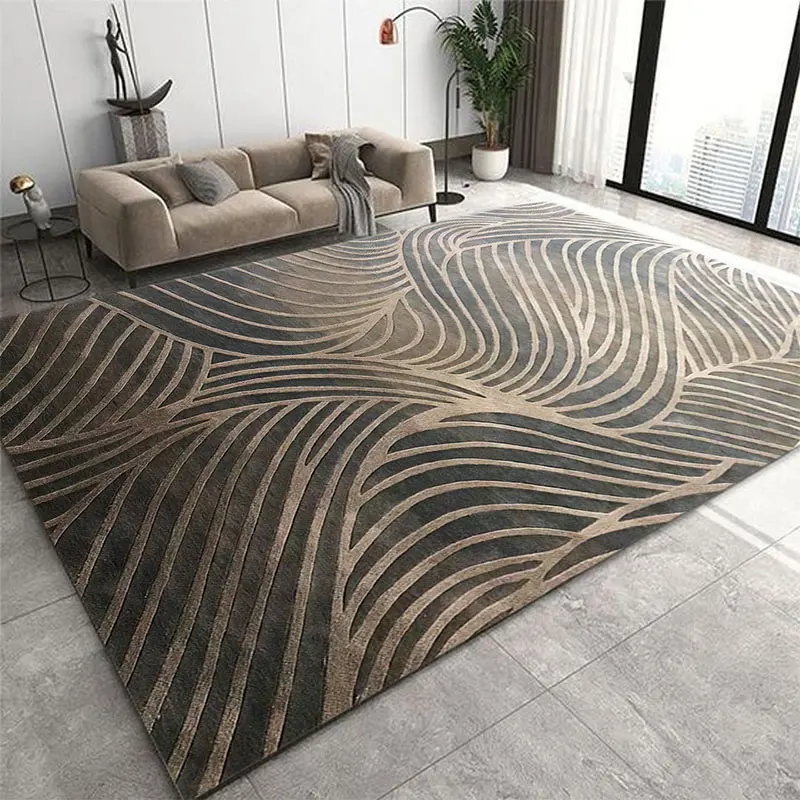
Material affects touch, appearance, maintenance, and price. Wool carpet can provide natural texture, warmth, and good resilience. Printed carpet can offer flexible designs and strong visual effects. Tufted carpet can create soft and full textures. Synthetic or blended materials may offer practical cleaning benefits or budget flexibility depending on the project.
Texture also matters. A low pile floors carpet is usually easier to clean and better for busy areas. A medium pile carpet can balance comfort and practicality. A thicker pile carpet can feel more luxurious, but it may need more care and may not be suitable for every room.
Buyers should think about who will use the space. A family with children or pets may need a different carpet from a luxury hotel room. A showroom may need a carpet that looks refined in photos, while an office may need something stable and understated.
Size Planning for Floors Carpet
Many carpet problems come from poor size planning. Even a beautiful carpet can look wrong if the size does not match the room.
For living rooms, the carpet should visually connect the main furniture. If possible, the sofa front legs and coffee table should sit on the carpet. For bedrooms, the carpet can extend from under the bed or be placed on both sides for comfort. For corridors, the carpet width should support walking comfort while leaving enough floor edge. For commercial areas, exact dimensions should be checked before production.
Custom size floors carpet is useful when standard sizes do not fit. It can help buyers avoid awkward gaps, poor furniture alignment, or unnecessary material waste.
Color and Pattern Selection
Color and pattern should support the room instead of fighting with it. Light-colored carpets can make a room feel larger and cleaner, but they may show stains more easily. Darker carpets can create warmth and hide small marks, but they may make small rooms feel heavier. Patterned carpets can add personality and also hide daily wear better than plain carpets.
Common design directions include:
- Solid neutral carpets for simple modern spaces
- Nordic carpets for calm and clean interiors
- Vintage carpets for warmer and more characterful rooms
- Printed carpets for decorative or themed spaces
- Persian-style carpets for classic and elegant interiors
- Children’s rugs for playful and educational rooms
The right design depends on furniture, wall color, lighting, and the mood the buyer wants to create.
Fanyo Carpets and Floors Carpet Solutions
Fanyo Carpets provides a wide range of carpet and rug options for different floor applications, including area rugs, printed carpets, tufted carpets, wool carpets, vintage-style carpets, Persian-style rugs, children’s rugs, and custom carpet solutions. Buyers can consider customization in size, color, pattern, pile texture, backing, and application scene.
This is useful for projects where different rooms need different carpet solutions. A bedroom may need a soft rug, a living room may need a decorative area carpet, a hotel may need coordinated carpet designs, and a children’s space may need playful printed rugs. Flexible product selection helps match design goals with real use requirements.
Conclusion
Choosing floors carpet is not only about finding a beautiful surface. It is about matching the carpet to the room’s function, foot traffic, comfort needs, cleaning routine, design style, and size requirements. The best carpet should support daily use while improving the overall feeling of the space.
By considering material, texture, backing, color, pattern, durability, and customization, buyers can choose floors carpet that works well for homes, hotels, offices, children’s spaces, and commercial interiors.
FAQ
Q1: What is floors carpet used for?
Floors carpet is used to cover floor areas, improve comfort, reduce noise, protect hard surfaces, and enhance interior decoration.
Q2: How do I choose floors carpet for a living room?
Choose a size that connects the furniture, a color that matches the room, and a material that balances comfort and daily durability.
Q3: Is floors carpet suitable for commercial spaces?
Yes, floors carpet can be used in hotels, offices, corridors, lobbies, showrooms, and retail spaces when the right material and backing are selected.
Q4: Can floors carpet be customized?
Yes, floors carpet can be customized in size, color, pattern, surface texture, backing, and shape for different room layouts.
Post time: Jul-08-2026


