


A durable carpet is not only a carpet that looks thick or feels heavy. For buyers who are planning flooring for homes, hotels, offices, corridors, apartments, villas, or commercial interiors, durability means the carpet can keep its appearance, comfort, shape, and surface stability after repeated daily use. A carpet may look beautiful in a product photo, but if the pile becomes flat quickly, the backing moves, the edges curl, or the color loses its original depth, the long-term value will be much lower than expected.
A truly durable carpet should be evaluated from several angles: fiber material, pile structure, pile density, pile height, backing type, edge finishing, color design, cleaning method, and intended application. Once these factors are understood, buyers can select a carpet that is not only decorative but also suitable for long-term daily use.
Durability Starts with the Right Material
The first step in choosing a durable carpet is to understand the material. Different fibers perform differently under pressure, walking, furniture weight, and cleaning. Wool is valued for its natural resilience and premium texture, while synthetic fibers may offer cost control and practical maintenance advantages for some projects. Wool-blend carpets can also be useful when buyers want a balance between comfort, appearance, and budget.
For high-end homes, hotels, meeting rooms, and luxury interiors, wool carpets or wool-blend carpets can provide a refined surface and strong decorative value. For spaces where easy maintenance and frequent replacement are more important, other materials may also be considered. The correct choice depends on the project environment rather than one universal answer.
Pile Structure Makes a Big Difference
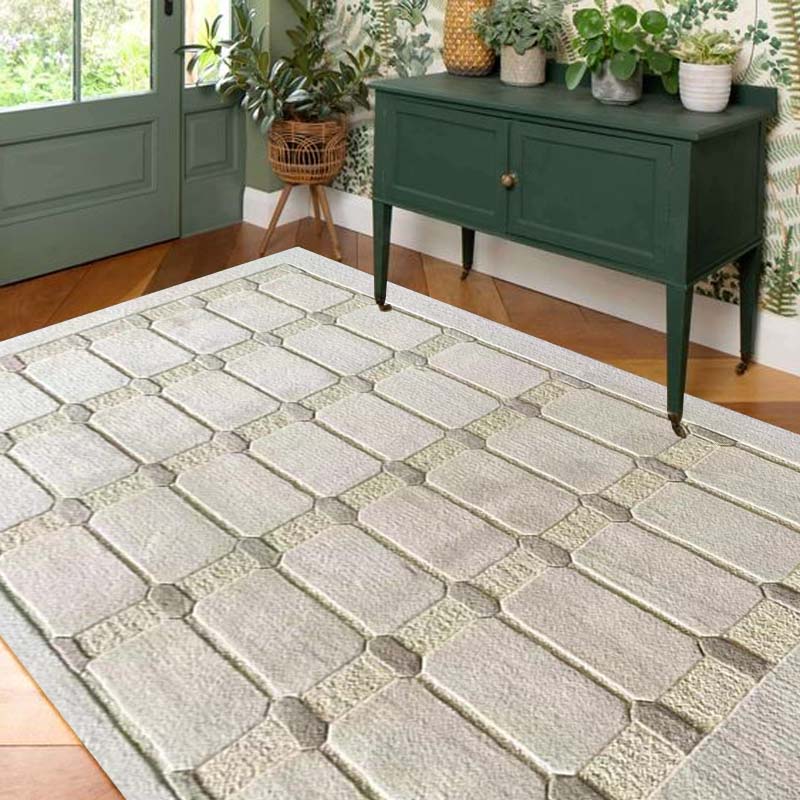
The pile structure directly affects how a carpet responds to daily use. Cut pile carpets often feel softer and more comfortable, making them suitable for bedrooms, lounges, and living rooms. Loop pile carpets can offer a stable surface and are often practical for areas that receive more walking. Cut and loop structures create texture and pattern depth while also helping the surface look more dimensional.
For high-traffic spaces, buyers should not only ask whether a carpet is soft. They should also ask whether the pile can resist crushing, whether the surface hides footprints, and whether the structure supports the expected use. A dense carpet with a balanced pile height is often more practical than a very long pile carpet in busy areas.
Backing and Edge Finishing Should Be Checked
Many buyers focus on the surface but ignore the backing. However, backing plays an important role in carpet durability. A stable backing helps the carpet keep its shape, lie flatter on the floor, and support the pile structure. For area rugs, anti-slip performance or the use of a suitable rug pad may also matter, especially in homes, hotels, and public spaces.
Edge finishing is another detail that affects long-term use. If the edges are weak, the carpet may curl, fray, or look worn earlier than expected. A durable carpet should have clean edges, stable stitching or binding, and a construction that matches the size and application.
How to Select Durable Carpet by Room Type
Different spaces require different durability standards. A carpet that is perfect for a bedroom may not be strong enough for a hotel corridor, while a very dense commercial carpet may feel too firm for a private lounge. Buyers should match specifications with real use.
Practical Selection Points
- Bedroom: choose soft texture, comfortable pile height, and warm colors.
- Living room: balance softness, stain visibility, and furniture layout.
- Hotel corridor: focus on density, backing strength, pattern durability, and easy cleaning.
- Office: choose stable surface, professional color, and good wear performance.
- Lobby or reception area: combine strong visual effect with long-term surface stability.
Color and Pattern Also Affect Long-Term Appearance
Durability is not only about physical strength. It is also about how well the carpet keeps a good appearance over time. Light solid colors can look elegant, but they may show stains or dust more easily. Patterned carpets, vintage effects, mixed tones, and textured designs can hide small marks better, especially in homes with children, pets, or frequent guests.
For commercial spaces, color should match the brand atmosphere while still supporting daily maintenance. A hotel may choose warm neutral patterns to reduce visible wear, while an office may prefer grey, beige, or muted colors for a professional look. The best durable carpet should remain attractive even after regular use.
Why Custom Durable Carpet Can Be More Practical
Ready-made carpets are convenient, but they may not always fit a project perfectly. Custom durable carpet allows buyers to adjust size, color, pattern, pile height, backing, and surface structure according to the real space. This is especially valuable for hotels, villas, offices, conference rooms, corridors, showrooms, and commercial interiors where dimensions and design consistency are important.
A custom carpet can also reduce waste caused by incorrect sizing. Instead of forcing a standard rug into a non-standard room, buyers can choose a product that fits the layout and supports both durability and appearance.
How Fanyo Carpets Supports Durable Carpet Projects
Fanyo Carpets provides carpet and flooring solutions for different residential and commercial needs, including wool carpets, printed carpets, vintage-style carpets, Persian-style rugs, area rugs, and custom carpet options. The company works with carpet design and production, and its product range supports customization in size, color, design, pile height, backing, and usage scenes.
For buyers looking for durable carpet, this flexibility helps match the carpet to the actual project. Whether the space is a home living room, bedroom, hotel, office, cinema, mosque, casino, conference room, or lobby, the carpet can be selected or developed according to traffic level, style requirement, and long-term use expectations.
Conclusion
A durable carpet should be chosen through a full evaluation of material, pile structure, density, backing, edge finishing, color, pattern, room function, and maintenance needs. The strongest choice is not always the thickest or most expensive carpet, but the one that matches the actual use environment.
For homes and commercial interiors, durable carpet can provide comfort, decoration, sound absorption, and long-term flooring value. By comparing complete specifications and considering customization when needed, buyers can choose a carpet that stays beautiful and practical for daily use.
FAQ
Q1: What makes a carpet durable?
A durable carpet usually has suitable fiber material, stable pile structure, good density, strong backing, clean edge finishing, and a design that matches the traffic level of the space.
Q2: Is wool carpet durable?
Yes, wool carpet can be durable because wool has natural resilience and a premium texture. Its performance also depends on pile height, density, backing, and maintenance.
Q3: What carpet is best for high-traffic areas?
A carpet with stable backing, balanced pile height, good density, and practical color or pattern is usually better for high-traffic areas.
Q4: Can durable carpet be customized?
Yes, durable carpet can be customized in size, color, pattern, pile structure, pile height, and backing to match residential or commercial projects.
Post time: Jul-15-2026


