


Home rugs are one of the most important elements in modern interior design, even though they are often underestimated compared to furniture or wall finishes. A well-chosen rug can completely change the atmosphere of a room, influencing not only how it looks but also how it feels and functions in daily life. In contemporary homes, rugs are no longer treated as simple decoration pieces but as essential design tools that support comfort, spatial planning, and lifestyle needs.
Unlike permanent flooring or structural elements, home rugs offer flexibility. They can be replaced, repositioned, or layered depending on seasonal changes, design updates, or functional requirements. This makes them especially valuable in apartments, family homes, and open-plan living spaces where adaptability is important.
Why Are Home Rugs So Important in Modern Living Spaces?
Home rugs play a foundational role in interior composition because they visually organize space and connect different furniture elements into a unified layout. Without rugs, rooms often feel fragmented or visually incomplete, especially when hard flooring dominates the surface.
In open-plan homes, rugs help define functional zones without physical separation. A single room can include a seating area, dining area, and workspace, and rugs help visually distinguish these zones while maintaining an open layout.
● Create structure in open living environments
● Visually connect furniture into cohesive groups
● Improve warmth and softness in hard-floor rooms
● Add depth and layering to interior design
● Support flexible layout adjustments without renovation
This functional flexibility is one of the main reasons rugs remain essential in both modern and traditional homes.
How Do Home Rugs Improve Daily Comfort?
Comfort is one of the most immediate and noticeable benefits of using home rugs. Hard flooring materials such as tile, stone, or wood can feel cold and rigid, especially in areas where people spend long periods of time barefoot or seated on the floor.
Rugs introduce a soft cushioning layer that improves physical comfort while also enhancing the emotional atmosphere of a space. This softness helps reduce fatigue when standing or walking and creates a more relaxed and inviting environment.
● Provide cushioning for walking and standing comfort
● Reduce impact pressure on feet and joints
● Create a warmer and more inviting home atmosphere
● Improve comfort in bedrooms and relaxation areas
● Enhance tactile experience in everyday living spaces
The comfort effect is not only physical but also psychological, making interiors feel more welcoming and less rigid.
How Do Rugs Help Organize Space Without Changing Layouts?
One of the most practical advantages of home rugs is their ability to define space without structural renovation. In modern interior design, especially in smaller homes or open layouts, creating clear functional zones is essential.
A rug can instantly signal the purpose of an area. For example, placing a rug under a sofa set defines a living zone, while another rug under a dining table clearly separates the dining area. This visual zoning improves both organization and usability.
● Define seating areas in living rooms
● Separate dining and relaxation zones
● Create reading or working corners
● Improve spatial clarity in open layouts
● Allow flexible room planning without construction
This makes rugs a highly efficient solution for dynamic living environments.
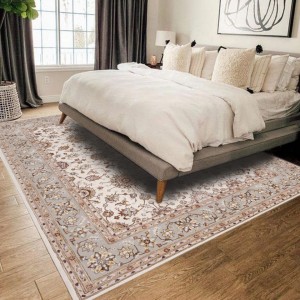
What Role Do Home Rugs Play in Noise and Acoustic Control?
Beyond visual and comfort functions, home rugs also significantly improve indoor acoustics. Hard surfaces tend to reflect sound waves, which can create echo and amplify noise levels in a room.
Rugs help absorb sound energy, reducing echo and softening noise from footsteps or moving furniture. This is particularly beneficial in apartments, shared housing, or multi-level homes where sound control is important.
● Reduce echo caused by hard flooring surfaces
● Absorb impact noise from footsteps and movement
● Improve acoustic balance in living spaces
● Create quieter environments for rest and focus
● Enhance overall indoor sound comfort
As a result, rugs contribute not only to aesthetics but also to a more peaceful living environment.
How Should You Choose the Right Home Rug for Each Room?
Choosing the right rug depends on both functional requirements and design goals. Different rooms require different levels of durability, softness, and maintenance convenience.
In living rooms, larger rugs are preferred to anchor furniture layouts. In bedrooms, softer textures are often chosen for comfort. In dining areas, easy-to-clean low-pile rugs are more practical due to frequent use and spill risk.
● Living rooms: large rugs that unify seating areas
● Bedrooms: soft rugs for comfort and warmth
● Dining areas: durable and stain-resistant surfaces
● Entryways: high-durability rugs for heavy foot traffic
● Multi-use rooms: neutral designs for flexible styling
Material choice also matters, as wool, cotton, synthetic fibers, and blends each offer different performance advantages depending on usage.
How Do Home Rugs Affect Interior Style and Aesthetics?
Home rugs are one of the most effective tools for shaping interior aesthetics. They introduce color, texture, and pattern into a space, helping balance furniture and flooring elements.
A neutral rug can create a calm and minimalist atmosphere, while a patterned rug can become a focal point that adds personality and visual interest. Rugs also help unify different materials within a room, such as wood, fabric, metal, and stone.
● Add visual depth through texture and layering
● Introduce color accents or neutral balance
● Create focal points in minimalist interiors
● Improve harmony between furniture and flooring
● Enhance overall design cohesion
Because of this flexibility, rugs are often used by designers as a finishing layer that completes the interior composition.
What Is the Best Way to Maintain Home Rugs for Long-Term Use?
Proper maintenance is essential to preserve both appearance and durability. Although rugs are relatively easy to care for, regular cleaning prevents dust accumulation and fiber damage over time.
Vacuuming remains the most important routine maintenance step. In households with children or pets, cleaning frequency may need to be increased. Rotating rugs periodically also helps distribute wear more evenly.
● Regular vacuuming prevents dust buildup
● Deep cleaning helps maintain fiber condition
● Rotation reduces uneven wear patterns
● Immediate stain treatment protects appearance
● Proper care extends overall lifespan
With consistent maintenance, home rugs can remain functional and visually appealing for many years.
Conclusion
Home rugs are far more than decorative accessories. They are multifunctional interior elements that influence comfort, space organization, acoustic quality, and visual design. Their flexibility allows homeowners to transform interiors without structural changes, making them one of the most practical tools in modern home design.
As contemporary living spaces continue to evolve toward comfort, adaptability, and personalization, home rugs remain an essential component in creating balanced and livable environments.
FAQ
1. What size home rug is best for a living room?
A rug should be large enough to anchor the main seating arrangement, ideally fitting under at least the front legs of sofas and chairs.
2. Are home rugs suitable for high-traffic areas?
Yes, but it is recommended to choose durable low-pile or tightly woven materials for better wear resistance.
3. How often should home rugs be cleaned?
Regular vacuuming should be done weekly, while deep cleaning is recommended every 6 to 12 months depending on usage.
4. Do home rugs really improve comfort and reduce noise?
Yes, they provide a softer walking surface and help absorb sound, reducing echo and improving indoor acoustic comfort.
Post time: Jun-15-2026


