


Vintage carpet is popular because it gives a room something that many modern products cannot easily create: a sense of history, warmth, and lived-in character. While many contemporary interiors use clean lines and neutral colors, a vintage carpet can soften the space and bring more emotional depth. It can make a new apartment feel less empty, a living room more layered, a bedroom more comfortable, and a hotel lounge more memorable.
Vintage carpet does not always mean old or second-hand. In today’s carpet market, many vintage-style carpets are newly produced with distressed patterns, faded colors, classic motifs, and antique-inspired designs. These carpets give buyers the appearance of a time-worn textile while still allowing modern customization in size, material, color, backing, and production quality.
For buyers searching for vintage carpet, the goal is usually not only to cover the floor. They want a product that can connect furniture, lighting, wall color, and decoration into one complete interior style. A good vintage carpet can become the anchor of the room.
What Makes a Carpet Look Vintage?
A vintage carpet usually has one or more of the following design features:
- Soft faded colors instead of strong new-looking tones
- Traditional floral, medallion, or border patterns
- Distressed surface effects that look naturally aged
- Warm red, beige, brown, blue, ivory, or muted multicolor shades
- Classic Persian, oriental, or European-inspired design elements
- Layered visual texture that makes the room feel more relaxed
The beauty of vintage carpet comes from balance. It should look decorative but not too loud. It should feel classic but not outdated. It should bring personality while still matching modern furniture and daily living needs.
Why Vintage Carpet Works Well in Modern Homes
It Softens Minimalist Interiors
Many modern interiors use white walls, grey sofas, black metal, glass, marble, and simple furniture. These elements can look clean, but sometimes they also feel cold. A vintage carpet helps soften this effect by adding color, pattern, and textile warmth.
For example, a beige and red vintage carpet can make a neutral living room feel more welcoming. A blue and ivory vintage rug can add calmness to a bedroom. A muted multicolor vintage carpet can make a study or lounge area feel more artistic.
It Creates a Visual Center
A room without a clear visual center can feel unfinished. Vintage carpet naturally draws attention because of its pattern and color variation. It can define the main seating area in a living room, highlight the bed area in a bedroom, or create a comfortable zone in a hotel lounge.
Unlike very bright modern carpets, vintage designs often create focus in a softer way. They attract attention without overwhelming the whole room.
It Matches Many Furniture Styles
One reason vintage carpet remains popular is its flexibility. It can match wooden furniture, leather sofas, fabric chairs, metal tables, modern cabinets, antique decorations, and even minimalist interiors.
Vintage carpet can work with:
- Modern neutral furniture
- Classic wooden interiors
- Bohemian home decoration
- Hotel-style soft furnishing
- Luxury villa interiors
- Coffee shops and boutique spaces
- Offices with warm reception areas
Because the colors are often softened or slightly distressed, vintage carpets are usually easier to blend with existing interiors than very bright new-looking carpets.
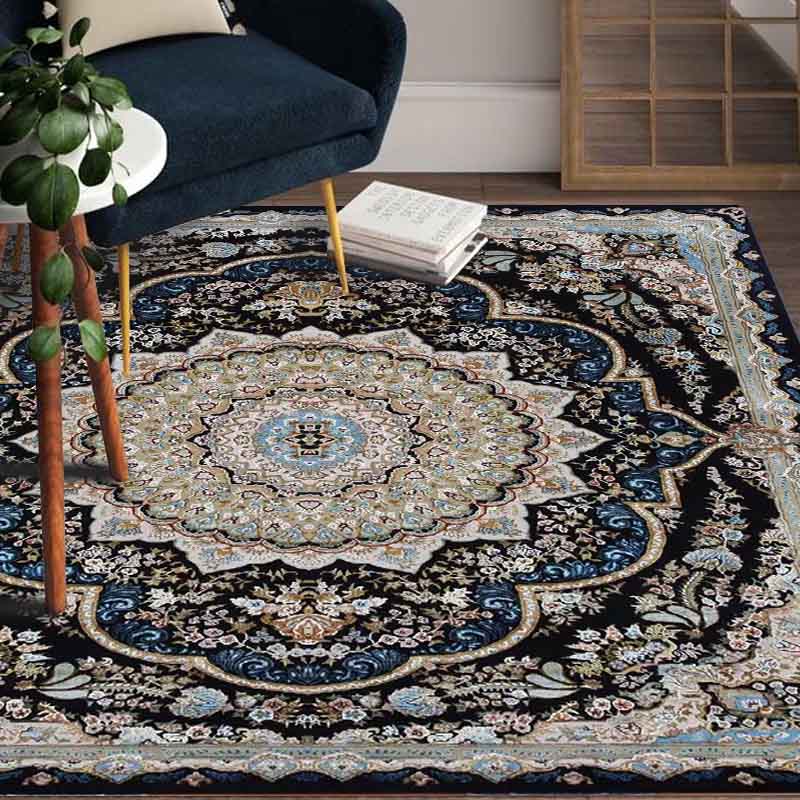
Best Spaces for Vintage Carpet
Living Room
The living room is the most common place for vintage carpet. It can make the seating area look complete and comfortable. A large vintage carpet under the sofa and coffee table can connect the furniture visually and create a warm gathering area.
For a living room, buyers should consider both size and color. If the furniture is dark, a lighter vintage carpet can balance the space. If the room is very plain, a richer vintage pattern can add energy.
Bedroom
Vintage carpet can make bedrooms feel softer and more personal. Muted tones such as ivory, beige, dusty blue, wine red, or light brown are suitable because they create warmth without disturbing the relaxed atmosphere of the room.
A vintage rug can be placed under the bed, at the foot of the bed, or beside the bed. Soft touch and comfortable pile height are important for bedroom use.
Hotel Rooms and Lounges
Hotels use vintage carpet to create atmosphere and improve guest experience. A vintage-style carpet can make a hotel room feel more refined, while a large rug in a lounge or reception area can create a strong design impression.
For hotel use, carpet quality should be selected according to foot traffic, cleaning frequency, backing strength, and overall design plan.
Restaurants, Cafes, and Boutique Stores
Vintage carpet can help commercial spaces feel more relaxed and memorable. A cafe with vintage rugs may feel warmer and more comfortable. A boutique store can use vintage carpet to create a more curated, lifestyle-oriented display environment.
In these spaces, the carpet should not only look good but also support daily use. Backing stability and maintenance should be considered carefully.
Vintage Carpet Colors and Design Choices
Choosing the right vintage carpet color is important because the carpet often becomes one of the largest visual elements in the room.
Common color directions include:
- Red vintage carpet for warmth and classic atmosphere
- Blue vintage carpet for calm, artistic interiors
- Beige vintage carpet for soft and easy matching
- Brown vintage carpet for traditional or natural spaces
- Multicolor vintage carpet for creative and layered decoration
- Grey vintage carpet for modern rooms with subtle pattern effects
Pattern scale also matters. A large room can handle a stronger pattern, while a small room may work better with a softer distressed design. If the room already has many decorative elements, a lighter vintage carpet may be more balanced.
Material and Craftsmanship Still Matter
A vintage look does not mean the product should be careless or weak. A good vintage carpet should have stable construction, comfortable surface, suitable backing, and clear finishing.
Buyers should consider:
- Surface material and touch
- Pile height and pile density
- Pattern clarity and color control
- Backing material
- Edge finishing
- Custom size availability
- Intended use area
- Maintenance requirements
For high-end interiors, wool or wool-blend vintage carpets can bring a richer texture. For project use, buyers may also consider printed vintage carpets when they need flexible pattern effects and controlled cost.
Vintage Carpet vs Antique Carpet
Some buyers confuse vintage carpet with antique carpet. Antique carpet usually refers to old carpets with historical value, age, and collectible meaning. Vintage carpet, especially in modern product selection, often refers to a style. It may be newly produced but designed to look aged, classic, or time-worn.
This difference matters because vintage-style carpet can be easier to customize, easier to source in different sizes, and more suitable for regular interior projects. Antique carpets may have unique value, but they can be expensive, limited in size, and harder to replace.
For hotels, homes, offices, and commercial spaces, newly made vintage carpet often gives a good balance of style, availability, and practical use.
Fanyo Carpets and Vintage Carpet Options
Fanyo Carpets offers various carpet and rug options for residential and commercial interiors, including vintage-style carpets, printed carpets, Persian-style rugs, wool carpets, modern rugs, and customized carpet solutions. For buyers who need a vintage carpet, customization can include design, color, size, shape, surface style, and backing.
This is useful for projects where the carpet must match the room rather than simply fill the floor. Whether the target space is a living room, bedroom, hotel, office, lounge, cafe, showroom, or boutique interior, a suitable vintage carpet can help create a warmer and more complete atmosphere.
Conclusion
Vintage carpet is a strong choice for interiors that need warmth, character, and visual depth. It can soften modern spaces, add personality to simple rooms, and create a timeless decorative foundation for both homes and commercial projects.
The best vintage carpet should match the room’s color, furniture, size, traffic level, and maintenance needs. When the design and specifications are selected carefully, vintage carpet can make an interior feel more comfortable, stylish, and memorable.
FAQ
Q1: What is a vintage carpet?
A vintage carpet is a carpet or rug with aged, classic, distressed, or traditional design effects, often using faded colors and decorative patterns.
Q2: Is vintage carpet suitable for modern homes?
Yes, vintage carpet works well in modern homes because it softens clean interiors and adds warmth, pattern, and character.
Q3: What colors are popular for vintage carpet?
Popular colors include red, beige, blue, ivory, brown, grey, and muted multicolor combinations.
Q4: Can vintage carpet be customized?
Yes, vintage carpet can be customized in size, color, pattern, shape, surface style, and backing according to different interior projects.
Post time: Jul-01-2026


