


A living room rug does far more than cover part of the floor. It can connect furniture, define a seating area, soften hard surfaces, and introduce color or texture without changing the entire interior. In many homes, the rug becomes the visual foundation of the living room because it influences how the sofa, chairs, tables, lighting, and decorative accessories appear together.
The right rug can make a large room feel more welcoming or help a compact room appear organized and balanced. However, size, material, pattern, pile height, and placement all affect the final result. Understanding these elements makes it easier to create a living room that feels comfortable, practical, and visually complete.
Creating a Clear Foundation for the Room
Living rooms often contain several large pieces of furniture, and these items may look disconnected when placed directly on an open floor. A rug creates a shared visual area that brings the furniture into one composition.
In an open-plan home, a living room rug can also separate the seating area from a dining space, kitchen, or walkway. This definition is especially useful when there are no walls between functional zones. The rug acts as a soft boundary while maintaining an open and spacious atmosphere.
A well-positioned rug can support the room in several ways:
- It gives the main seating arrangement a clear center.
- It reduces the empty appearance of wide floor areas.
- It visually connects furniture in different colors or materials.
- It creates contrast between the floor and the seating area.
- It makes the living room feel more intentional and finished.
Rather than treating the rug as an isolated decoration, it is more effective to consider it part of the entire furniture layout.
Choosing the Right Living Room Rug Size
Rug size is one of the most important considerations because a rug that is too small can make the room appear fragmented. The rug should relate to the sofa, chairs, coffee table, and overall proportions of the space.
In many living rooms, the front legs of the sofa and chairs sit on the rug while the back legs remain on the floor. This arrangement connects the furniture without requiring the rug to extend beneath every piece. In larger spaces, all furniture legs may rest on the rug, creating a more generous and unified layout.
A smaller rug placed only beneath the coffee table can work in compact rooms, but there should still be a clear relationship between the rug and surrounding seating. If the rug appears to float in the center with too much space around it, the arrangement may feel incomplete.
Before selecting dimensions, measure the seating area rather than the entire room. Marking the proposed rug outline on the floor with removable tape can help visualize its scale and placement.
Materials for Everyday Living
Living rooms are active spaces, so the material of a living room rug should match the way the room is used. Some households need a durable surface for frequent gatherings, while others prefer a softer texture for quiet relaxation.
Wool is valued for its resilience, natural warmth, and comfortable feel. Its fibers can recover well from compression, making it suitable for areas with furniture and regular foot traffic. Synthetic fibers may offer easy maintenance and consistent appearance, while cotton rugs often provide a lighter and more casual character.
The construction method also affects performance. Low-pile rugs are generally easier to clean and allow furniture to move more smoothly. Medium-pile rugs add softness without becoming overly heavy. High-pile or shaggy surfaces create a warm, relaxed feeling but may require more frequent care.
The best material is not necessarily the most luxurious option. It is the one that suits the room’s traffic level, cleaning routine, climate, and desired atmosphere.
Color and Pattern as Design Tools
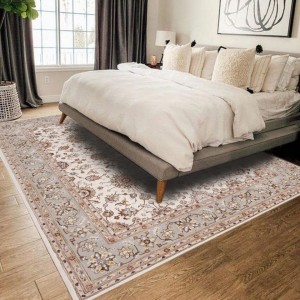
A living room rug can either support an existing design or become the main visual feature. Neutral shades such as beige, gray, cream, and soft brown create a calm base that allows furniture and artwork to receive more attention. These colors are particularly effective when the room already contains several patterns or bold decorative objects.
A patterned rug can add energy and movement. Geometric designs suit modern interiors, while botanical, traditional, abstract, or distressed patterns can create very different moods. Pattern is also practical because it may make minor marks or variations less noticeable than a completely plain surface.
When selecting colors, consider the rug alongside the largest fixed elements in the room:
- Flooring color and texture
- Sofa upholstery
- Curtains or blinds
- Wall paint
- Large artwork
- Wood and metal finishes
The rug does not need to match every item exactly. Repeating two or three existing tones is usually enough to create visual continuity.
Texture and Comfort
Texture affects both appearance and physical comfort. A flatwoven rug has a clean profile and can support a streamlined, modern room. A tufted rug introduces more depth and softness, while looped or carved surfaces create subtle shadow and dimension.
Texture becomes especially important in neutral interiors. When the room uses similar colors, differences in pile height, weave, and fiber finish prevent the space from looking flat. A cream rug with a raised pattern, for example, can remain understated while still contributing visual interest.
Softness may also improve how the room is used. A comfortable rug encourages people to sit closer to the floor, creates a more pleasant surface for children, and reduces the hardness of tile, stone, concrete, or timber flooring.
Practical Placement and Maintenance
A living room rug should not block doors, create unstable edges, or interfere with important walkways. Leave enough exposed flooring around the rug to create a balanced border. In most layouts, the rug should align with the main seating group rather than with the room’s walls alone.
A suitable rug pad can reduce movement, provide additional cushioning, and limit friction between the rug and floor. It may also help the rug maintain a smoother appearance.
Regular vacuuming prevents dust from becoming deeply embedded in the fibers. Rotating the rug periodically can encourage more even exposure to sunlight and foot traffic. Spills should be addressed promptly according to the fiber type and care instructions, because aggressive rubbing may spread the mark or disturb the surface.
Supporting Different Interior Styles
The versatility of a living room rug allows it to work across many interior styles. A simple tonal rug can support minimalist furniture, while an ornate pattern can bring character to a traditional room. Abstract designs can introduce artistic movement, and natural textures can complement relaxed or nature-inspired interiors.
The rug can also help update a room without replacing major furniture. Introducing a different color palette or texture can change the atmosphere while preserving the existing sofa, tables, and storage pieces.
Conclusion
A living room rug provides structure, comfort, color, and personality within one design element. Its effect depends on thoughtful decisions about size, placement, material, pattern, and maintenance. When the rug relates well to the furniture and proportions of the space, it can make the living room feel more connected and inviting.
Rather than selecting a rug only for its surface appearance, consider how it will support daily activities and the overall layout. A balanced combination of practicality and design will create a foundation that continues to work as the room evolves.
Frequently Asked Questions
1. How large should a living room rug be?
The rug should be large enough to connect the main seating furniture. In many layouts, at least the front legs of the sofa and chairs rest on the rug. Larger rooms may accommodate a rug that supports all furniture legs.
2. Should a living room rug match the sofa?
It does not need to match exactly. The rug can repeat one or two colors from the sofa, cushions, curtains, or artwork while introducing complementary shades and textures.
3. Is a low-pile rug suitable for a living room?
Yes. Low-pile rugs are practical for frequently used living rooms because they are generally easier to maintain and allow chairs or tables to move with less resistance.
4. How often should a living room rug be rotated?
Rotation frequency depends on sunlight, foot traffic, and furniture placement. Periodic rotation can help distribute wear and light exposure more evenly across the surface.
Post time: Jul-27-2026


