


Eco-friendly wool carpets are gaining increasing attention in modern interior design. As environmental awareness grows, more homeowners and commercial buyers are turning to natural materials and sustainable production methods. Among these, naturally dyed wool carpets stand out for their ability to combine aesthetics, durability, and environmental responsibility.
The Importance of Eco-Friendly Wool Carpets
Wool is a renewable, biodegradable, and highly durable fiber, making it an ideal choice for sustainable flooring. However, the environmental impact of a wool carpet is not determined by the fiber alone. The dyeing process plays a critical role.
Traditional synthetic dyes often contain harmful chemicals that can release volatile organic compounds (VOCs), affecting indoor air quality. In contrast, eco-friendly wool carpets use natural dyes derived from organic sources, significantly reducing environmental and health risks.
Choosing eco-friendly wool carpet colors helps:
● Reduce chemical exposure in indoor environments
● Lower environmental pollution during manufacturing
● Support sustainable and ethical textile practices
● Enhance indoor air quality for healthier living spaces
For both residential and commercial applications, these benefits make eco-friendly carpets a smarter long-term investment.
Understanding Natural Dyes for Wool Carpets
Natural dyes are pigments extracted from plants, insects, and minerals. These dyes have been used for thousands of years and are known for their subtle beauty and environmental compatibility.
Unlike synthetic dyes, natural dyes interact with wool fibers in a unique way, creating rich, layered tones rather than flat colors. This results in carpets that feel more organic and visually dynamic.
Natural dyes are typically:
● Biodegradable and environmentally safe
● Free from toxic chemicals
● Renewable and sustainably sourced
● Compatible with natural fibers like wool
This makes them particularly suitable for eco-conscious interior projects.
Key Advantages of Natural Dye Wool Carpets
Natural dye wool carpets offer several functional and aesthetic advantages that go beyond sustainability.
● Unique color variations that cannot be replicated with synthetic dyes
● Softer, more natural tones that blend well with modern interiors
● Reduced risk of allergic reactions or chemical sensitivity
● Long-lasting color when properly treated and maintained
● Alignment with green building standards and certifications
These advantages make them especially attractive for hospitality, residential, and high-end commercial environments.
Best Natural Dyes for Wool Carpet Colors
When selecting eco-friendly wool carpet colors, certain natural dyes are widely recognized for their performance and visual appeal.
Indigo – Deep and Timeless Blues
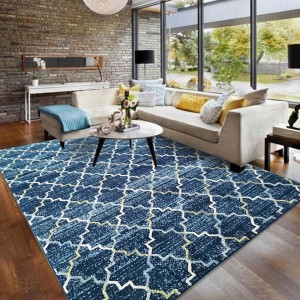
Indigo is one of the oldest natural dyes, extracted from plants such as Indigofera. It produces rich blue tones ranging from soft sky blue to deep navy.
● Excellent color fastness on wool
● Suitable for both traditional and modern designs
● Often used in high-end and heritage-style carpets
Cochineal – Vibrant Reds and Pinks
Cochineal dye is derived from insects and is known for producing bright, long-lasting red and pink shades.
● High color intensity and vibrancy
● Resistant to fading when properly processed
● Commonly used in decorative and statement carpets
Madder – Warm Reds and Earthy Tones
Madder root produces a spectrum of warm hues, including reds, oranges, and terracotta shades.
● Natural, earthy appearance
● Ideal for rustic and traditional interiors
● Blends well with neutral design palettes
Logwood – Rich Purples and Dark Blues
Logwood, sourced from tree bark, creates deep purples and dark blue tones.
● Strong visual depth
● Suitable for luxury or dramatic interior designs
● Often combined with other dyes for complex shades
Turmeric – Bright and Energetic Yellows
Turmeric is a plant-based dye known for its golden yellow color.
● Warm and vibrant tone
● Eco-friendly and widely available
● Suitable for accent rugs or decorative elements
Weld – Clean and Bright Yellow Shades
Weld is another plant-based dye that produces clear, bright yellow hues.
● More color-stable compared to turmeric
● Often used as a base for creating green shades when mixed with indigo
● Ideal for modern minimalist interiors
How Natural Dye Colors Influence Interior Design
Color plays a crucial role in shaping the atmosphere of a space. Naturally dyed wool carpets offer a more harmonious and balanced color palette compared to synthetic alternatives.
● Soft blues and greens create calming environments
● Warm reds and oranges add energy and warmth
● Neutral earthy tones support minimalist and natural designs
● Layered shades add depth and visual interest
Because natural dyes often produce slightly varied tones, each carpet becomes unique, adding character to the space.
Sustainability and Lifecycle Benefits
Eco-friendly wool carpets dyed with natural pigments contribute to sustainability throughout their lifecycle.
● Lower environmental impact during production
● Reduced chemical waste and water pollution
● Biodegradable at the end of life
● Compatible with circular economy principles
These factors are increasingly important for projects aiming to meet environmental standards or certifications.
Practical Considerations for Buyers
When selecting eco-friendly wool carpet colors, it is important to evaluate product transparency and manufacturing processes.
● Verify the use of natural dyes through product specifications
● Check for certifications related to sustainability
● Consider the intended application and traffic level
● Balance aesthetic preferences with functional requirements
This ensures that the chosen carpet meets both environmental and performance expectations.
Conclusion
Eco-friendly wool carpet colors dyed with natural dyes offer a compelling combination of sustainability, beauty, and performance. From deep indigo blues to warm madder reds, these colors bring authenticity and environmental responsibility into modern interiors.
By choosing naturally dyed wool carpets, buyers not only enhance the visual quality of their spaces but also contribute to healthier indoor environments and a more sustainable textile industry.
FAQ
1. Are natural dyes as durable as synthetic dyes for wool carpets?
Yes, when properly processed, many natural dyes such as indigo and madder offer excellent color fastness and durability, especially on wool fibers.
2. Do natural dye wool carpets fade over time?
All dyed materials may experience some fading over long periods, but high-quality natural dyes can maintain their color well with proper care and limited exposure to direct sunlight.
3. Are eco-friendly wool carpets more expensive?
They can be slightly higher in cost due to sustainable sourcing and traditional dyeing processes, but they provide long-term value in terms of health, durability, and environmental impact.
4. Can natural dyes create modern color palettes?
Yes, natural dyes are not limited to traditional tones. By combining different dye sources, manufacturers can achieve a wide range of contemporary colors suitable for modern interiors.
Post time: Apr-17-2026


