


Wool carpet has long been recognized as one of the most reliable and premium flooring materials in the global interior industry. Although many synthetic flooring products compete primarily on price, wool carpet continues to stand out because of its long-term durability, natural comfort, and environmental advantages. From luxury hotels and office buildings to high-end residential projects, wool carpet remains a preferred solution for spaces that demand both quality and lasting value.
As modern architecture and interior design increasingly emphasize durability, comfort, and eco-friendly materials, wool carpet is becoming even more important in both commercial and residential applications.
Why Wool Carpet Continues to Be Highly Valued
Unlike synthetic fibers made from petroleum-based materials, wool is a natural fiber with unique structural characteristics. Each wool fiber contains a natural crimp and elasticity, allowing the carpet to recover from pressure while maintaining its appearance over time.
This natural resilience is one of the main reasons wool carpet performs exceptionally well in high-traffic environments. Compared to some synthetic carpets that flatten quickly under continuous use, wool fibers naturally bounce back, helping the carpet maintain its texture and visual appeal for years.
In addition, wool carpet provides a warm and soft underfoot experience, significantly improving indoor comfort. This makes it widely used in hotels, office environments, and premium residential spaces.
Durability: One of the Biggest Advantages of Wool Carpet
Durability is one of the most important factors in flooring performance, especially in commercial spaces where carpets must withstand constant foot traffic.
Wool carpet is known for its exceptional lifespan because wool fibers are naturally strong and flexible. Compared with many lower-cost materials, wool carpet is better able to resist crushing, matting, and surface wear.
Key durability advantages of wool carpet include:
● Excellent recovery from heavy furniture pressure
● Strong resistance to fiber breakage
● Long-term shape and structure retention
● Better appearance maintenance in high-traffic areas
● Reduced replacement frequency
In hotels, conference centers, retail stores, and office corridors, maintaining a clean and professional appearance is extremely important. Wool carpet helps minimize visible wear and supports long-term interior quality.
Another important advantage is wool’s natural ability to hide dust and footprints more effectively than many synthetic materials. Its complex fiber structure reduces the visibility of marks and surface dirt, helping interiors remain visually attractive for longer periods.
Improved Comfort and Indoor Experience
Modern interior design no longer focuses only on visual appearance. Comfort has become a major priority in both commercial and residential environments.
Wool carpet significantly improves indoor comfort in several ways.
Soft and natural texture
Wool fibers create a naturally soft walking surface. Compared to hard flooring materials, wool carpet provides greater comfort in spaces where people stand or walk for extended periods.
Thermal insulation performance
Wool fibers naturally trap air, creating an insulating layer that helps regulate indoor temperature. During colder seasons, this helps maintain warmth and improve energy efficiency.
Noise reduction and acoustic comfort
Offices, hotels, apartments, and public buildings increasingly prioritize noise control. Wool carpet effectively absorbs sound and reduces echo, creating a quieter and more comfortable environment.
This acoustic advantage is especially valuable in:
● Hotel guest rooms
● Office meeting spaces
● Luxury apartments
● Libraries and educational buildings
● Retail stores
A quieter environment not only improves user experience but also enhances the premium atmosphere of a space.
Sustainable Performance and Environmental Advantages
Sustainability has become one of the most important trends in the global construction and interior industry. More developers, designers, and building projects are prioritizing environmentally responsible materials and green building standards.
Wool carpet naturally aligns with these goals.
Renewable natural fiber
Wool is sourced from sheep and can be renewed annually. Compared with synthetic fibers that rely on non-renewable petroleum resources, wool is considered a sustainable material.
Naturally biodegradable
At the end of its service life, wool naturally decomposes without releasing harmful microplastics into the environment, making it a more eco-friendly option than many synthetic flooring products.
Lower environmental impact
Modern wool carpet manufacturing increasingly focuses on sustainable production practices, including:
● Eco-friendly dyeing processes
● Reduced chemical treatments
● Energy-efficient manufacturing systems
● Sustainable raw material sourcing standards
These improvements make wool carpet more suitable for environmentally conscious buildings and green-certified projects.
Fire Resistance and Safety Advantages
Safety is another important reason wool carpet is widely used in commercial projects.
Because of its natural chemical structure, wool has inherent flame-resistant properties. Compared to many synthetic fibers, wool does not melt easily and has a higher ignition point.
Safety benefits of wool carpet include:
● Lower flame spread
● Reduced smoke generation
● Self-extinguishing characteristics
● Improved indoor fire safety performance
As a result, wool carpet is often preferred in hotels, office buildings, theaters, and public spaces where fire safety standards are important.
Design Flexibility and Aesthetic Appeal
Wool carpet is not only highly functional but also extremely versatile in design.
Modern manufacturing technology allows wool carpets to be produced in a wide variety of:
● Colors
● Patterns
● Textures
● Pile heights
● Construction styles
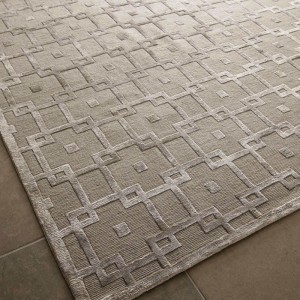
This flexibility enables designers to create customized interior environments that match different architectural concepts and visual styles.
Whether for minimalist modern interiors or classic luxury spaces, wool carpet can deliver a sophisticated and coordinated appearance.
Maintenance and Long-Term Value
Although wool carpet may have a higher initial cost than some synthetic alternatives, its long-term value is often significantly greater.
Its durability reduces replacement frequency, while its ability to maintain appearance lowers long-term maintenance pressure.
Typical maintenance includes:
● Regular vacuum cleaning
● Prompt spill and stain removal
● Periodic professional deep cleaning
With proper care, wool carpet can maintain its quality and appearance for many years, making it a cost-effective flooring solution over the long term.
Future Trends in the Wool Carpet Industry
As market demands continue to evolve, the wool carpet industry is also advancing rapidly.
Current industry trends include:
● Growing demand for sustainable interior materials
● Expansion of luxury hotel and residential projects
● Greater focus on comfort and wellness-oriented spaces
● Continuous development of eco-friendly manufacturing technologies
● Increasing demand for customized carpet solutions
As the construction industry places greater emphasis on sustainability and long-term performance, wool carpet is expected to remain an important flooring material in the future.
Conclusion
Wool carpet combines durability, comfort, safety, and environmental sustainability, making it one of the most valuable premium flooring materials available today. Its natural resilience, acoustic performance, thermal insulation, and elegant appearance allow it to maintain a strong position in interior projects worldwide.
As global demand for high-quality and environmentally responsible materials continues to grow, wool carpet will remain a trusted and future-oriented flooring solution.
FAQ
1. Why is wool carpet more durable than synthetic carpet?
Wool fibers have natural elasticity and resilience, allowing them to recover from pressure and maintain their appearance over long periods of use.
2. Is wool carpet environmentally friendly?
Yes. Wool is a renewable and biodegradable natural fiber that supports sustainable building practices and reduces environmental impact.
3. Does wool carpet help reduce indoor noise?
Yes. Wool carpet has excellent sound absorption properties that help reduce echo and improve acoustic comfort.
4. Is wool carpet suitable for commercial spaces?
Yes. Because of its durability, flame resistance, and premium appearance, wool carpet is widely used in hotels, office buildings, retail spaces, and other commercial environments.
Post time: May-06-2026


