


In modern interior design, carpets not only serve a practical function but also enhance the overall aesthetics and comfort of a space. Wool carpets, known for their natural fiber properties, exceptional durability, and soft touch, are widely used in homes, hotels, offices, and commercial spaces. For B2B buyers, designers, and facility managers, understanding the features, selection criteria, and maintenance methods of wool carpets is essential to ensure a high return on investment and maintain quality spaces.
Core Advantages of Wool Carpets
Wool is a natural protein fiber with unique structural properties, offering multiple benefits:
● High Durability
Wool fibers are naturally elastic and resistant to compression. Even in high-traffic environments, wool carpets maintain their appearance and shape, making them ideal for hotel corridors, office lobbies, and other commercial spaces.
● Comfortable Touch
The natural crimp of wool fibers gives the carpet a soft and plush feel, providing a warm and comfortable surface for walking. Bedrooms, lounge areas, and conference rooms benefit greatly from this comfort.
● Temperature and Moisture Regulation
Wool absorbs moisture from the air and releases heat, helping regulate indoor humidity and temperature. This natural feature keeps spaces warm in winter, cool in summer, and enhances overall comfort.
● Natural Stain Resistance and Antimicrobial Properties
Wool contains lanolin, which prevents liquids from penetrating fibers, reducing stains and microbial buildup. Compared to synthetic fibers, wool carpets are easier to clean and maintain, making them suitable for public spaces, healthcare facilities, and hotels with high hygiene requirements.
● Sustainable and Eco-Friendly
Wool is renewable and biodegradable, meeting modern companies’ demands for green procurement and sustainable development, making it an ideal environmentally friendly flooring option.
Key Factors When Selecting Wool Carpets
For B2B procurement and high-end interior design, several factors must be considered when selecting wool carpets:
● Wool Quality
High-quality wool fibers are fine, elastic, wear-resistant, and colorfast. Lower-quality wool may break or deform, reducing lifespan.
● Pile Height and Density
Pile height and density directly affect comfort and durability. High-density, short-pile carpets are suitable for high-traffic areas, while long-pile, thick carpets emphasize plushness and decorative effect, ideal for hotel suites or luxury offices.
● Carpet Construction
Handwoven, machine-woven, and hand-knotted carpets each have unique features:
● Handwoven: Highly durable and unique in design, ideal for premium commercial spaces.
● Machine-woven: Flexible for bulk production, offers diverse patterns, cost-effective.
● Hand-knotted: Complex craftsmanship, strong artistic appeal, suitable for luxury or display areas.
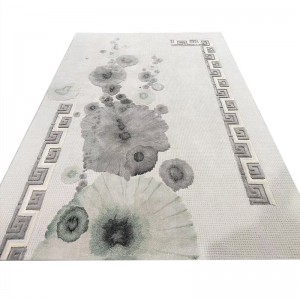
● Color and Pattern
Light colors enhance space perception and suit modern minimalist styles, while dark or patterned carpets are more stain-resistant and suitable for high-traffic areas. Commercial buyers should consider brand image and overall design style when choosing colors.
● Intended Use Area
Different spaces require different carpet features:
● High-traffic office areas / hotel corridors: Prioritize durability and cleanability.
● Lounge areas / conference rooms: Focus on comfort and visual appeal.
● Display spaces / premium suites: Emphasize artistic design, craftsmanship, and texture.
Wool Carpet Maintenance
Proper maintenance extends the carpet’s lifespan and protects investment value:
● Regular Vacuuming: At least once a week using adjustable suction to prevent fiber damage.
● Immediate Spill Treatment: Blot liquid spills with a clean cloth promptly, avoiding rubbing.
● Professional Deep Cleaning: Recommended once a year or every two years to remove dust, stains, and microorganisms.
● Furniture Rotation: Move furniture periodically to avoid permanent indentations.
● Environmental Protection: Keep carpets dry and well-ventilated to prevent mold and moisture damage.
Commercial Procurement and Application Advice
For B2B buyers, wool carpet procurement should balance cost, quality, and maintenance:
● Budget Planning: High-density, premium wool carpets are costly upfront but have a longer lifespan and higher ROI.
● Specification Selection: Choose the appropriate pile height and density based on space size, traffic, and function.
● Bulk Procurement Considerations: Ensure color consistency across batches for large-scale installations.
● Sustainable Procurement: Prioritize environmentally friendly wool carpets that meet international green standards to enhance corporate image.
Conclusion
Wool carpets combine durability, comfort, and aesthetic appeal, making them ideal flooring for both residential and commercial spaces. Selecting high-quality wool, appropriate pile height and density, suitable construction, and color coordination, coupled with proper maintenance, ensures long-lasting beauty, comfort, and functionality. For B2B procurement, planning budget, specifications, and maintenance strategies can enhance space quality while maximizing return on investment.
FAQ
1、Q: Are wool carpets suitable for high-traffic commercial areas?
A: Absolutely. High-density wool carpets are durable and resilient, maintaining shape and color over long-term use, making them ideal for offices, hotels, and retail spaces.
2、Q: How often should wool carpets be professionally cleaned?
A: It is generally recommended to have a professional deep cleaning once a year or every two years, depending on usage frequency and environment.
3、Q: Are wool carpets prone to stains?
A: Wool naturally contains lanolin, providing some stain resistance. Minor spills can be cleaned quickly, but high-traffic areas are best maintained with regular cleaning and protective mats.
Post time: Dec-17-2025


