


Wool carpets and rugs have long been valued for their durability, comfort, and natural elegance. For business buyers in hotels, office buildings, retail stores, and high-end residential projects, choosing the right wool flooring products can enhance both aesthetics and functionality. Understanding the advantages, applications, types, and maintenance of wool carpets and rugs is crucial for B2B buyers and suppliers. This knowledge helps businesses make informed purchasing decisions and ensures higher cost-effectiveness and long-term value for their projects.
Key Advantages of Wool Carpets and Rugs
As a natural fiber, wool offers outstanding benefits in commercial and residential environments:
● High durability – Wool fibers naturally resist wear and tear, making them ideal for high-traffic areas such as hotel lobbies, office spaces, and shopping corridors. They maintain their appearance even under heavy use.
● Exceptional comfort – Wool provides a soft and warm surface, enhancing the comfort of employees, clients, and visitors.
● Natural insulation and sound absorption – Wool regulates indoor temperature and absorbs environmental noise, making it suitable for conference rooms, offices, or public lounges.
● Eco-friendly and sustainable – Wool is renewable and biodegradable, helping businesses implement green initiatives and meet sustainability standards.
● Stain and dirt resistance – The natural protective layer of wool fibers reduces penetration of stains and dust, making maintenance easier.
● Fire resistance – Wool is naturally flame-retardant, meeting strict safety requirements in commercial buildings.
Common B2B Applications
Wool carpets and rugs are versatile and suitable for a wide range of industries:
● Hospitality – Luxury hotels, resorts, and restaurants use wool carpets to create an upscale atmosphere while meeting durability and maintenance requirements.
● Corporate offices – Offices, meeting rooms, and lounge areas benefit from wool carpets, which enhance comfort, professionalism, and acoustic performance.
● Residential and apartment projects – Developers and interior designers select wool rugs for high-end apartments, condominiums, and villas to increase comfort and property value.
● Retail and commercial spaces – High-end stores and showrooms use wool carpets to elevate the shopping environment and reinforce brand image.
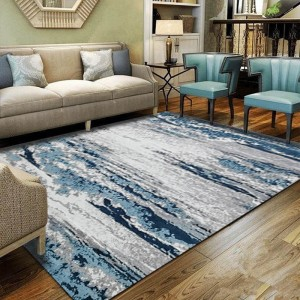
Types and Design Options for Wool Carpets and Rugs
B2B buyers can choose from various types depending on project needs and interior design styles:
● Hand-knotted rugs – High craftsmanship and durability, often considered investment pieces, ideal for luxury hotels and premium residential projects.
● Machine-made carpets – Suitable for large-scale commercial installations, offering uniform quality and cost efficiency, commonly used in offices and public spaces.
● Cut pile and loop pile carpets – Different textures and finishes provide versatile visual and tactile effects for modern or traditional interiors.
● Custom designs – Many B2B suppliers offer custom patterns, colors, sizes, and thicknesses to meet brand or project specifications.
● Patterned and modular options – Combining multiple styles and colors can create unique visual effects and functional space division.
Maintenance and Longevity
Proper care can significantly extend the life of wool carpets and rugs, maximizing ROI:
● Regular vacuuming – Prevents dust and debris from embedding in fibers and keeps surfaces clean.
● Professional cleaning – Periodic deep cleaning removes stubborn stains while maintaining fiber health and color vibrancy.
● Moisture control – Avoid excessive water exposure to prevent shrinkage or damage, particularly in commercial settings.
● Prompt spill management – Immediate cleaning of liquids or food residues prevents permanent stains or odors.
● Rotation in high-traffic areas – Rotating or partially replacing carpets in heavily used zones can extend overall longevity.
With proper maintenance, wool carpets in commercial settings typically last between 10–20 years, depending on traffic, upkeep, and environmental conditions.
Conclusion
Wool carpets and rugs combine durability, comfort, insulation, sound absorption, and sustainability, making them an ideal choice for hotels, office buildings, retail stores, and high-end residential projects. Understanding their advantages, applications, types, and maintenance practices allows businesses to make informed procurement decisions that enhance aesthetics and operational efficiency. Investing in high-quality wool carpets and rugs ensures long-term value and customer satisfaction. For B2B buyers, it is a strategic investment that balances quality, functionality, and brand image.
FAQ
Q1: Are wool carpets suitable for high-traffic commercial areas?
Yes, wool carpets are highly durable and resilient, making them perfect for busy spaces such as hotels, offices, and retail stores.
Q2: How do wool rugs compare to synthetic alternatives?
Wool is more sustainable, naturally flame-retardant, and better at regulating indoor temperature, with a more comfortable feel. Synthetic carpets may be lower in initial cost but cannot match wool in durability and comfort.
Q3: What is the typical lifespan of a wool carpet?
With proper care, wool carpets in commercial environments can last 10–20 years, depending on usage and maintenance.
Q4: Can wool carpets be customized for corporate projects?
Absolutely. Many B2B suppliers offer custom designs, sizes, and colors to meet specific brand or project requirements.
Post time: Mar-03-2026


