


In today’s competitive flooring market, selecting the right carpet type can directly impact both cost control and user experience. Tufted carpet has emerged as a practical and scalable solution, widely adopted across commercial and residential environments for its balance of performance and efficiency.
The Core Concept of Tufted Carpet
Tufted carpet is a type of textile flooring produced by inserting yarn into a backing fabric using mechanical needles. Unlike traditional weaving, this method focuses on speed and flexibility, allowing manufacturers to create carpets with various textures and patterns in a shorter time.
The surface appearance can be adjusted by cutting or leaving the loops intact, which directly influences the carpet’s feel and performance.
Why Tufted Carpet Dominates the Market
The global popularity of tufted carpet is not accidental. It is largely driven by its ability to meet modern project demands where time, cost, and customization are equally important.
● Efficient production process supports large-scale supply
● Lower manufacturing cost compared to traditional carpet types
● Flexible design options for different industries
● Reliable quality due to standardized production
● Adaptability to both short-term and long-term installations
For project managers and procurement teams, these advantages translate into reduced risk and improved project timelines.
Surface Structures and Their Functional Impact
The structure of the carpet surface plays a critical role in its usability. Different tufting styles provide different performance outcomes.
● Smooth cut pile creates a soft and uniform appearance
● Tight loop pile increases durability and resistance to crushing
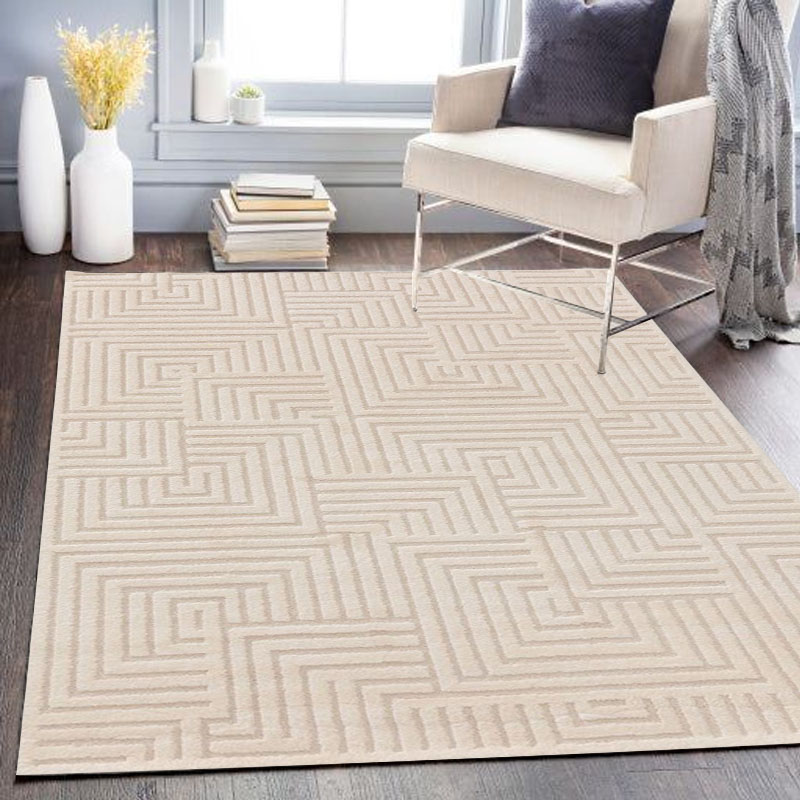
● Patterned combinations enhance decorative value
● High-low textures add visual depth while masking wear
Selecting the right structure is essential to ensure the carpet performs well under expected conditions.
Performance in Real-World Applications
Tufted carpet is engineered to handle a wide range of real-world conditions, making it suitable for diverse environments.
● In office settings, it reduces noise and improves comfort
● In hospitality spaces, it enhances aesthetic appeal and guest experience
● In retail environments, it supports branding through customized designs
● In residential spaces, it provides warmth and visual cohesion
Its versatility allows it to meet both functional and decorative requirements.
Material Engineering Behind Tufted Carpet
The choice of fiber significantly affects the carpet’s performance and lifecycle.
● Nylon fibers provide excellent resilience and long-term durability
● Polyester offers cost efficiency and strong color retention
● Polypropylene is resistant to moisture and suitable for specific environments
● Natural wool delivers premium comfort and insulation
Each material is selected based on project priorities such as durability, budget, or aesthetics.
Acoustic and Thermal Benefits
Beyond visual appeal, tufted carpet contributes to indoor environmental quality.
● Reduces impact noise in high-traffic areas
● Absorbs sound, improving acoustic comfort
● Provides thermal insulation, enhancing energy efficiency
● Creates a softer walking surface compared to hard flooring
These benefits are particularly important in offices, hotels, and multi-level buildings.
Flexibility in Project Design
Modern interior design often requires flooring solutions that align with brand identity and spatial concepts. Tufted carpet offers significant advantages in this area.
● Custom patterns can reflect corporate branding
● Color variations can match interior themes
● Modular designs allow easier installation and replacement
● Different pile heights can be used within the same project
This flexibility supports creative design while maintaining functional performance.
Lifecycle Efficiency and Replacement Strategy
For many commercial projects, flooring is not a permanent installation but part of a lifecycle strategy.
● Tufted carpet can be replaced more easily than woven alternatives
● Lower initial investment reduces financial pressure
● Suitable for phased renovation projects
● Supports cost-effective upgrades over time
This makes it a strategic choice for businesses planning long-term space management.
Market Evolution and Future Outlook
The demand for tufted carpet continues to grow as industries prioritize efficiency and adaptability.
● Commercial construction drives large-volume demand
● Interior design trends emphasize customization
● Sustainability pushes innovation in materials
● Global supply chains improve accessibility
As technology advances, tufted carpet is expected to offer even better performance and environmental compatibility.
Conclusion
Tufted carpet represents a modern approach to flooring—efficient, flexible, and adaptable to a wide range of applications. Its ability to combine cost control with design freedom makes it a valuable option for both commercial and residential projects. As market expectations evolve, tufted carpet remains a reliable solution for creating functional and visually appealing spaces.
FAQ
1. What defines a tufted carpet?
A tufted carpet is defined by its manufacturing method, where yarn is inserted into a backing using needles rather than being woven.
2. Is tufted carpet suitable for long-term use?
Yes, especially when high-quality materials are used and proper maintenance is applied.
3. Can tufted carpet improve indoor comfort?
Yes, it enhances both acoustic and thermal comfort compared to hard flooring.
4. Why is tufted carpet widely used in commercial projects?
Because it offers a combination of affordability, customization, and efficient production, making it ideal for large-scale applications.
Post time: Apr-01-2026


