


Wool carpets are widely recognized for their luxurious texture, exceptional durability, and timeless natural beauty. Whether you are renovating your home or selecting flooring for a new space, choosing the right wool carpet requires careful consideration of multiple factors. From fiber quality to construction methods and maintenance practices, each detail plays a crucial role in determining long-term performance and visual appeal.
This comprehensive buying guide explores everything you need to know about wool carpets, helping you achieve the perfect balance between durability and style.
Understanding the Benefits of Wool Carpets
Wool is a natural fiber sourced from sheep and has been used in textile production for centuries. Its unique structure and natural properties make it one of the most desirable materials for carpets. Below are the key advantages of choosing wool carpets:
● Durability: Wool fibers are naturally elastic and resilient, allowing carpets to withstand heavy foot traffic without losing their shape.
● Softness and Comfort: The fine texture of wool creates a soft, cushioned surface that enhances comfort in living spaces.
● Natural Stain Resistance: Wool contains lanolin, a natural oil that repels liquids and prevents dirt from penetrating deeply into fibers.
● Thermal Insulation: Wool carpets help retain heat, improving energy efficiency and maintaining indoor comfort.
● Sound Absorption: The dense fiber structure reduces noise levels, creating a quieter and more peaceful environment.
● Eco-Friendly: Wool is renewable, biodegradable, and sustainable, making it an environmentally responsible flooring option.
These benefits make wool carpets suitable for a wide range of applications, from residential homes to boutique commercial environments.
Key Factors to Consider When Buying a Wool Carpet
Selecting the right wool carpet involves evaluating several important factors that influence both performance and design:
1. Quality of Wool
The quality of wool directly impacts the carpet’s durability and appearance. Premium wool, such as New Zealand wool, features longer and stronger fibers, resulting in a smoother texture and enhanced resilience. High-quality wool carpets are more resistant to wear and maintain their beauty over time.
2. Pile Height and Density
Pile height refers to the length of the carpet fibers, while density indicates how closely the fibers are packed together.
● Low pile carpets are more durable and easier to maintain
● High pile carpets offer greater softness and luxury
● Higher density improves resistance to wear and prolongs lifespan
Finding the right balance between softness and durability is essential based on the intended usage.
3. Construction Method
Wool carpets are manufactured using different techniques, each offering unique characteristics:
● Woven Carpets: Highly durable and often feature intricate designs
● Tufted Carpets: More affordable and versatile in style
● Loop Pile (Berber): Excellent for high-traffic areas due to strong structure
● Cut Pile: Softer and more luxurious, ideal for low-traffic spaces
Understanding these construction types helps you select the most suitable option for your needs.
4. Color and Style Selection
Wool carpets hold dye exceptionally well, offering rich and long-lasting colors. When choosing a style:
● Neutral tones provide versatility and timeless appeal
● Darker shades hide stains and wear more effectively
● Patterned designs add visual interest and mask foot traffic marks
Your choice should complement your interior design while meeting practical requirements.
5. Underlay and Installation
A high-quality underlay enhances comfort, insulation, and durability. Proper installation ensures even tension and prevents issues such as wrinkling or uneven wear. Investing in professional installation is recommended for optimal performance.
Matching Wool Carpets to Different Spaces
Different areas of the home require different carpet characteristics:
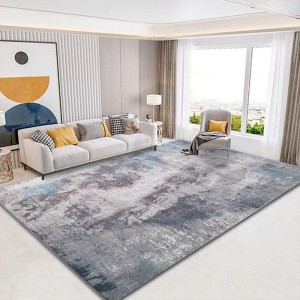
● Living Rooms: Medium to high pile carpets for comfort and style
● Bedrooms: Plush carpets for maximum softness
● Hallways and Stairs: Low pile, high-density carpets for durability
● Home Offices: Loop pile carpets for noise reduction and professional appearance
Choosing the right type for each space ensures both functionality and aesthetic harmony.
Maintenance Tips for Long-Term Performance
Maintaining wool carpets properly is essential to preserve their appearance and extend their lifespan:
● Regular vacuuming removes dirt and prevents fiber damage
● Immediate spill cleaning prevents permanent staining
● Professional cleaning once a year ensures deep maintenance
● Avoid excessive moisture to prevent mold or mildew
● Rotate furniture periodically to prevent uneven wear
A consistent maintenance routine will keep your wool carpet looking new for years.
Common Mistakes to Avoid When Buying Wool Carpets
Many buyers overlook critical aspects when selecting wool carpets. Avoid these common mistakes:
● Choosing based solely on appearance without considering durability
● Ignoring carpet density and fiber quality
● Skipping underlay or opting for low-quality padding
● Failing to match carpet type with room usage
● Underestimating maintenance requirements
Being aware of these pitfalls can help you make a more informed and cost-effective decision.
Expert Q&A
Q: Are wool carpets suitable for high-traffic areas?
A: Yes. High-density wool carpets, especially loop pile styles, are ideal for areas with heavy foot traffic.
Q: How can I prevent moth damage to my wool carpet?
A: Regular cleaning, proper ventilation, and the use of moth deterrents can help protect wool carpets from damage.
Q: Do wool carpets require special cleaning products?
A: Yes. It is recommended to use mild, wool-safe cleaning solutions to avoid damaging natural fibers.
Q: Is wool carpet a good long-term investment?
A: Absolutely. Its durability and timeless appeal make it a cost-effective flooring option over time.
Conclusion and Recommendations
Investing in a wool carpet is a decision that brings together elegance, comfort, and long-term durability. By carefully considering factors such as fiber quality, pile structure, construction method, and maintenance needs, you can select a carpet that enhances both the functionality and visual appeal of your space.
For those seeking a balance of durability and style, high-density wool carpets with quality construction offer the best performance. Options such as loop pile for high-traffic areas and plush cut pile for comfort-focused rooms provide flexibility in design and application.
Ultimately, wool carpets represent a premium flooring solution that combines natural beauty with reliable performance. With the right selection and proper care, they will remain a sophisticated and valuable addition to your home for many years.
Post time: Mar-17-2026


